


Expiry of Ozempic patent opens door for generics in India, Canada, China
Expiry of Ozempic patent opens door for generics in India, Canada, China
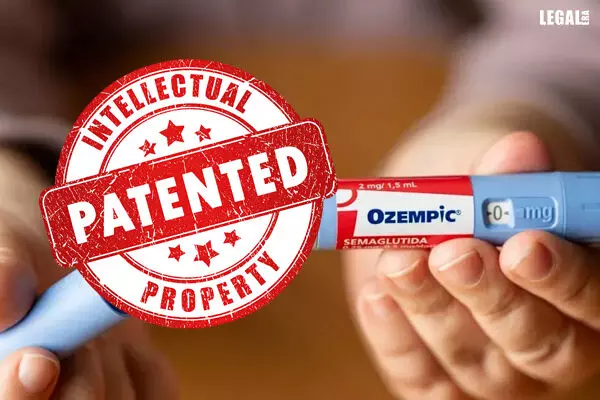
The expiration of the patents clears the decks for local manufacturers to seek approvals to produce semaglutide without licensing fees
India, Canada and China are preparing to launch generic versions of Novo Nordisk’s Ozempic and Wegovy after key patents on semaglutide expired this year, potentially lowering costs for diabetes and obesity treatments in emerging markets. The expiration of the patents clears the decks for local manufacturers to seek approvals to produce semaglutide without licensing fees. As per analysts, the move could cut prices from more than US$900 a month in the United States to about US$15 per dose in India and China, but precise post patent pricing will depend on local market conditions and regulatory approvals. Laurus Labs shares rose nearly 4 per cent; Glenmark, Aurobindo Pharma, Lupin and Biocon gained about 3 per cent each. Divi’s Laboratories, Dr. Reddy’s Laboratories, Cipla, Sun Pharma, Zydus Lifesciences, Torrent Pharma and Wockhardt advanced 1 to 2 per cent. The gains reportedly pushed the Nifty Pharma index up nearly 2 per cent, making it one of the top sectoral performers on the NSE.
India comes second after China in adult diabetes cases and could have over 440 million overweight/obese people by 2050, according to the Lancet and International Diabetes Federation. Jason Brett, principal medical head at Novo Nordisk in New Jersey, reportedly said, “I think it really makes it more competitive, and it really reduces the delta there.” Reportedly, Novo Nordisk on March 19 also won U.S. approval for a higher, 7.2 mg dose of Wegovy, and the company plans to launch this dose in April to better compete with rival obesity treatments. The higher dose produced an average weight loss of up to 21 per cent after 72 weeks in people with obesity in phase 3 trials as compared with roughly 15 per cent for the standard 2.4 mg dose. In a separate trial of people with obesity and type 2 diabetes, the high dose showed average weight loss of 14.1 per cent.
Likely entrants in Indian generics makers are: Dr. Reddy’s Laboratories, Sun Pharmaceutical Industries and Lupin. Chinese manufacturers are preparing to scale production, and Canadian regulators have received applications for domestic generics following the expiration of data protection. Timing for market entry will vary by country depending on regulatory review and any remaining patent disputes.