


Ahead of Pongal Release, Madras High Court Protects Parasakthi From Pirated Broadcasts
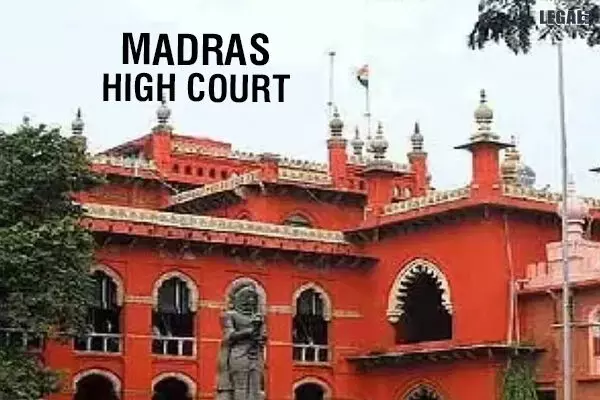
Ahead of Pongal Release, Madras High Court Protects Parasakthi From Pirated Broadcasts
Introduction
The Madras High Court has granted an interim injunction restraining unauthorised broadcast of the Tamil film Parasakthi. The Court held that failure to curb such illegal broadcasts would likely result in irreversible injury to the filmmakers.
Factual Background
The suit was instituted by Dawn Pictures, owned by producer Aakash Baskaran,apprehending imminent copyright infringement ahead of the film’s theatrical release. Parasakthi is a Tamil political drama starring Sivakarthikeyan and Sreeleela, and is scheduled for release on January 10, 2026, coinciding with the Pongal festival. The film is written and directed by Sudha Kongara and is set against the backdrop of the 1965 Anti-Hindi Imposition agitations in Tamil Nadu.
Procedural Background
Dawn Pictures approached the Madras High Court seeking an injunction against internet service providers and cable television operators, including Bharat Sanchar Nigam Limited, to restrain any unauthorised telecast or broadcast of the film.
The matter was heard by Justice Senthilkumar Ramamoorthy, who passed the interim order after examining the plaintiff’s copyright claims and supporting documentation.
Issues
1. Whether Dawn Pictures had established prima facie copyright ownership or exclusive rights over the film Parasakthi.
2. Whether unauthorised broadcasts posed a risk of irreparable harm warranting interim restraint.
3. How to balance the plaintiff’s rights with the legitimate business interests of broadcasters and service providers.
Contentions of the Parties
Plaintiff: The plaintiff asserted that it was the producer and copyright holder of Parasakthi, and that any unauthorised broadcast before or during theatrical release would severely prejudice the film’s commercial exploitation. Documents establishing title and licensing arrangements were placed on record.
Respondent:The respondents included ISPs and cable television operators. While detailed replies are yet to be filed, the Court took note of the possibility that a blanket restraint could affect legitimate business activities.
Reasoning and Analysis
Justice Senthilkumar Ramamoorthy observed that in cases involving cinematograph films, unauthorised broadcasts can cause damage that cannot be undone, particularly around the time of release. The Court noted that delay in granting relief could render the producer’s rights illusory.
At the same time, the Court recognised that injunctions of this nature may incidentally impact lawful operations of broadcasters. To strike a balance, the Court directed the plaintiff to indemnify any respondent whose legitimate business interests might be adversely affected by the interim restraint. During the hearing, the Court closely examined whether the plaintiff was acting as a producer or an exclusive licensee, and only after satisfying itself on this aspect did it proceed to grant interim protection.
Decision
The Madras High Court granted an interim injunction restraining unauthorised broadcast of the film Parasakthi by ISPs and cable television operators. The injunction will remain in force until the next date of hearing, and the Court has directed all respondents to file their responses. The relief was made subject to the plaintiff indemnifying respondents against any proven impact on legitimate business interests.