


Bombay High Court Bars ‘LIVOGEM’ Use, Cites Risk of Confusion with P&G’s ‘LIVOGEN’ in Pharma Market
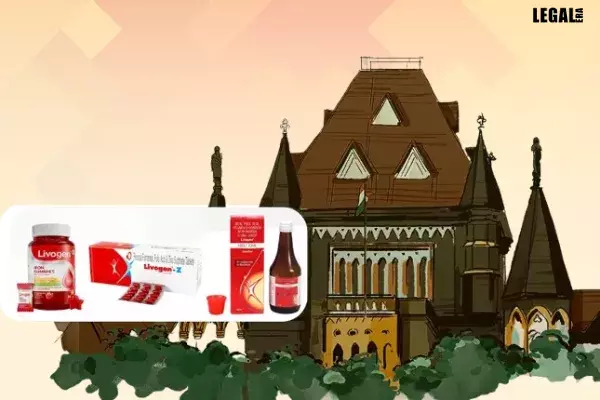
Bombay High Court Bars ‘LIVOGEM’ Use, Cites Risk of Confusion with P&G’s ‘LIVOGEN’ in Pharma Market
Introduction
The Bombay High Court granted an interim injunction in favour of Procter & Gamble Health Limited, restraining the use of the mark “LIVOGEM” on the ground of prima facie trademark infringement of its registered marks “LIVOGEN” and “LIVOGEN-Z”. The Court underscored the heightened standard of scrutiny applicable to pharmaceutical trademarks.
Factual Background
Procter & Gamble Health Limited and its German affiliate are proprietors of the registered trademarks “LIVOGEN” and “LIVOGEN-Z”, which have been used in India since 1967 in relation to medicinal products. The plaintiffs claimed longstanding goodwill and reputation associated with these marks. The dispute arose when Horizon Bioceuticals Pvt. Ltd. and Curewell Drugs & Pharmaceuticals Pvt. Ltd. adopted the mark “LIVOGEM” for similar pharmaceutical products. The plaintiffs alleged that the rival mark was deceptively similar, both visually and phonetically, and that such similarity in medicinal products could pose risks to public health.
Procedural Background
The plaintiffs filed an interim application before the Bombay High Court seeking an injunction against the defendants’ use of the mark “LIVOGEM”. The matter came before Justice Sharmila U. Deshmukh, who considered whether a prima facie case of infringement was made out to warrant interim relief pending final adjudication.
Issues
1. Whether the mark “LIVOGEM” is deceptively similar to the registered trademarks “LIVOGEN” and “LIVOGEN-Z”.
2. Whether the plaintiffs are entitled to an interim injunction for trademark infringement.
3. Whether a case of passing off was established at the interim stage.
Contentions of Parties
The plaintiffs contended that the defendants’ mark was nearly identical in structure, sound, and visual impression, and that even minimal confusion in pharmaceutical products must be avoided in public interest. They argued that the defendants had infringed their registered trademarks and sought injunctive relief. The defendants, on the other hand, claimed that the mark “LIVOGEM” was independently coined by combining “LIVO”, indicating liver health, and “GEM”, suggesting quality. They further argued that the prefix “LIVO” was common in the trade and could not be monopolised.
Reasoning and Analysis
The bench of Justice Sharmila U. Deshmukh held that the rival marks must be compared as a whole and not dissected into individual components. It observed that even if “LIVO” were common or descriptive, the comparison of the uncommon elements “GEN” and “GEM” revealed striking similarity. The Court noted that the defendants had merely replaced the final letter “N” with “M”, resulting in marks that were visually and phonetically similar and likely to be pronounced in the same manner. It further emphasized that in the case of medicinal products, even a slight likelihood of confusion must be avoided due to potential risks to patient safety.
The Court also rejected the defendants’ claim of honest adoption, observing that they had failed to demonstrate that they conducted a trademark search prior to adoption. However, on the issue of passing off, the Court found that the material on record did not establish misrepresentation at this stage, particularly since the packaging and overall presentation of the products showed certain distinctions.
Decision
The Bombay High Court granted an interim injunction restraining the defendants from using the mark “LIVOGEM” or any deceptively similar mark to “LIVOGEN” pending disposal of the suit. However, the Court declined to grant interim relief on the claim of passing off, leaving the issue to be decided at trial.
In this case the plaintiff was represented by Advocate Hiren Kamod. Meanwhile the respondent was represented by Advocates Anand Mohan, Prasad A. Kamthe and Aditya Agarwal.



