


Bombay High Court Protects ‘GERMINATOR’ Mark, Rejects ‘De Minimis’ Packaging Fixes Under Safe Distance Rule
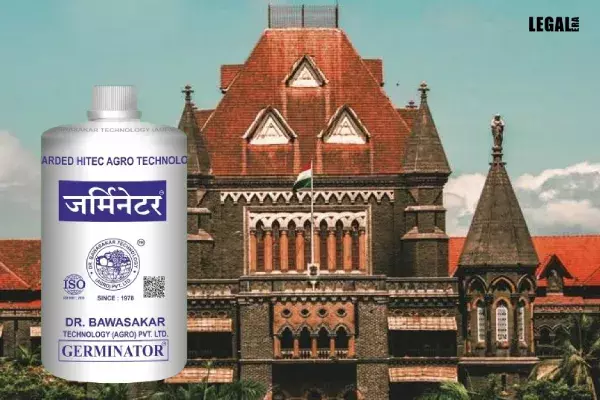
Bombay High Court Protects ‘GERMINATOR’ Mark, Rejects ‘De Minimis’ Packaging Fixes Under Safe Distance Rule
Introduction
The Bombay High Court granted an interim injunction in a trademark dispute concerning the mark “GERMINATOR”, restraining Anannya Agro Products and its associates from using the mark or deceptively similar trade dress. The Court, however, directed maintenance of status quo for four weeks to enable the defendants to seek appropriate remedies.
Factual Background
Dr. Bawaskar Technology (Agro) Pvt. Ltd. claimed longstanding use of the mark “GERMINATOR” since 1981 in relation to agricultural products, asserting that the mark had acquired substantial goodwill among Indian farmers. The plaintiff alleged that Anannya Agro Products and Avishkar Agro Chem had adopted an identical mark and near-replica trade dress in 2024 to exploit its reputation. The defendants, on the other hand, contended that the term “GERMINATOR” is descriptive and commonly used in the agricultural sector to denote products aiding germination, and therefore incapable of exclusive appropriation.
Procedural Background
The dispute arose from an order of the Commercial Court at Pune, which had rejected the plaintiff’s application for interim injunction. Aggrieved, Dr. Bawaskar Technology filed an appeal before the Bombay High Court. The Division Bench of Justice R. I. Chagla and Justice Advait M. Sethna heard the matter and passed the impugned order granting interim relief.
Issues
1. Whether the mark “GERMINATOR” is descriptive or suggestive and entitled to trademark protection.
2. Whether the defendants’ use of the mark and trade dress constitutes infringement.
3. Whether interim injunction should be granted pending trial.
Contentions of Parties
The plaintiff contended that it was the prior adopter and user of the mark and had built significant goodwill over decades. It argued that the defendants had copied not only the mark but also the distinctive trade dress, thereby causing confusion among consumers. The defendants, in response, argued that the term “GERMINATOR” is generic or descriptive of the product’s function and cannot be monopolised. They also claimed that any similarity in packaging had been addressed through modifications.
Reasoning and Analysis
The Division Bench of Justice R. I. Chagla and Justice Advait M. Sethna held that the classification of a trademark must be assessed in accordance with established principles, including the Abercrombie spectrum. It observed that the term “GERMINATOR” is prima facie suggestive rather than descriptive, as it requires a mental leap to connect the mark with the product’s function. The Court further noted that the plaintiff had demonstrated prior and extensive use of the mark, thereby establishing a stronger claim to protection. Applying the “Safe Distance Rule”, the Court held that once infringement is established, minor or superficial changes to packaging cannot cure the likelihood of confusion. It emphasized that allowing such “de minimis fixes” would encourage infringers to persist in unlawful conduct and lead to prolonged litigation.
The Court also considered the nature of the consumer base, noting that farmers, as consumers with imperfect recollection, are particularly susceptible to confusion. It found that the essential features of the defendants’ packaging remained deceptively similar despite claimed modifications.
Decision
The Bombay High Court allowed the appeal and granted an interim injunction restraining the defendants from using the mark “GERMINATOR” or any deceptively similar trade dress. However, the Court directed the parties to maintain status quo for four weeks to enable the defendants to challenge the order.
In this case the plaintiff was represented by Advocate Hiren Kamod with Advocate Sumedh Ruikar, i/b RK Dewan Legal Services.