


Bombay High Court Restrains Legends League Cricket From Playing PPL Music Without Licence, Grants Quia Timet Injunction
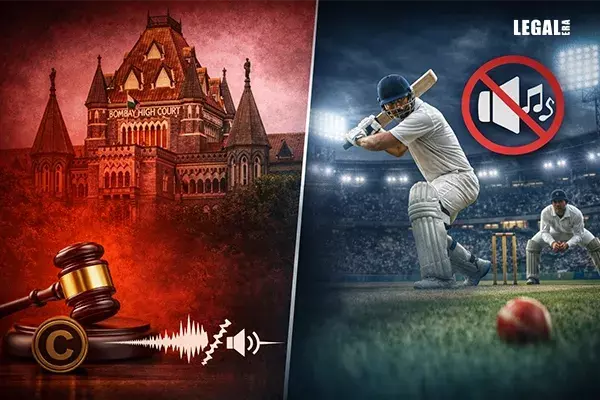
Bombay High Court Restrains Legends League Cricket From Playing PPL Music Without Licence, Grants Quia Timet Injunction
Introduction
The Bombay High Court has granted urgent ad-interim relief in favour of Phonographic Performance Limited (PPL), restraining Absolute Legends Sports Private Limited from publicly performing or communicating copyrighted sound recordings owned or licensed by PPL without obtaining a valid licence. Justice Sharmila U. Deshmukh held that the apprehension of unauthorised use during matches of the Legends League Cricket appeared prima facie well-founded, particularly considering the respondent’s past practice of obtaining licences for similar events.
Factual Background
Phonographic Performance Limited (PPL) is a music licensing body authorised to license the public performance and communication of sound recordings owned or exclusively licensed by its members. Absolute Legends Sports Private Limited operates Legends League Cricket (LLC), a T20 cricket tournament featuring retired international cricketers. The matches are conducted before large audiences and involve entertainment elements including the playing of music during events and broadcasts. PPL approached the court apprehending that its copyrighted sound recordings would be played during the upcoming LLC matches without obtaining the necessary licence. According to PPL, the respondents were aware of their licensing obligations and had previously obtained licences for similar events.
Procedural Background
PPL filed a suit before the Bombay High Court seeking urgent interim relief restraining Absolute Legends Sports Private Limited from publicly performing or communicating its copyrighted sound recordings without obtaining a licence. The plaintiff submitted that match fixtures showed that matches were scheduled on an almost daily basis, making urgent judicial intervention necessary to prevent possible infringement. A legal notice had earlier been issued to the respondents on February 4, 2025, warning them against unauthorised use of PPL’s sound recordings. However, no reply was received from the respondents.
Issues
1. Whether the anticipated playing of PPL’s sound recordings during the Legends League Cricket matches without licence would amount to copyright infringement.
2. Whether a quia timet action—seeking preventive relief based on apprehended infringement—was maintainable in the circumstances.
3. Whether the plaintiff was entitled to ad-interim injunctive relief restraining the use of its copyrighted recordings.
Contentions of the Parties
The plaintiff contended that Absolute Legends Sports had knowledge of its obligation to obtain a licence before publicly performing copyrighted sound recordings.
It pointed out that the respondents had earlier obtained licences for similar events and had also given an undertaking dated December 23, 2023 acknowledging the plaintiff’s rights and assuring that licences would be procured whenever the recordings were used.
PPL argued that the absence of any response to its legal notice, coupled with the scheduled cricket fixtures, created a genuine apprehension that the recordings would be used without authorisation.
Reasoning and Analysis
The Court observed that the respondents had previously obtained licences for playing sound recordings at events, which indicated their knowledge of the plaintiff’s rights. The Court also took note of the undertaking dated December 23, 2023, which expressly recognised PPL’s ownership or licensing rights in the sound recordings and acknowledged the obligation to obtain licences before using them. Considering the match fixtures placed on record, the Court held that the apprehension of unauthorised use of the recordings during the upcoming matches was reasonable. The Court further held that the suit was in the nature of a quia timet action, meaning that preventive relief could be granted even before actual infringement occurred if the apprehension of infringement was credible.
Decision
The Bombay High Court granted ad-interim relief restraining Absolute Legends Sports Private Limited from publicly performing or communicating PPL’s copyrighted sound recordings, or permitting their premises to be used for such purposes, without obtaining a valid licence. The ad-interim injunction will remain in force until the next date of hearing. The matter has been listed for further consideration on April 8, 2026.
In this case the plaintiff was represented by Advocates Amogh Singh, Jeenal Upadhyay, Aditya Upadhyay, Pranali Tulankar and Koohika Gupta.



