


Bombay High Court Restrains Salon From Using ‘Jawed Habib’ Name After Franchise Ends
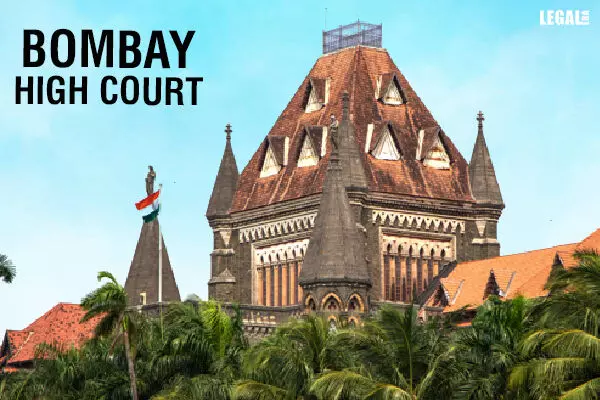
Bombay High Court Restrains Salon From Using ‘Jawed Habib’ Name After Franchise Ends
Introduction
The Bombay High Court has temporarily restrained a local salon operator from using the “Jawed Habib”, “Jawed Habib Hair & Beauty”, and “JH” names and logos. The Court held that continued use of the marks after expiry of the franchise agreement amounts to prima facie trademark and copyright infringement.
Factual Background
The plaintiff, Jawed Habib Hair & Beauty Limited, is a well-known salon chain operating since 2006 and is the registered proprietor of the “Jawed Habib” word mark, the “JH” logo, and the composite mark “Jawed Habib Hair & Beauty.” The company asserted that these marks enjoy extensive goodwill and public recognition across India.
The defendant, Kavita Janki Services Private Limited, was permitted to use the marks solely under a franchise agreement that operated from May 2014 to May 2017. Despite expiry of the agreement and issuance of a cease-and-desist notice, the defendant allegedly continued to use the Jawed Habib branding for identical salon services.
Procedural Background
Jawed Habib Hair & Beauty Limited instituted a commercial intellectual property suit before the Bombay High Court seeking injunctive relief. The matter came up before a single-judge Bench of Justice Sharmila U Deshmukh, which considered the plaintiff’s plea for ad-interim relief.
Issues
1. Whether the defendant could claim any independent right to use the Jawed Habib trademarks after expiry of the franchise agreement.
2. Whether continued use of the marks constituted trademark and copyright infringement.
3. Whether the plaintiff had made out a case for ad-interim injunctive relief.
Contentions of the Parties
Plaintiff: The plaintiff contended that the franchise agreement clearly acknowledged its ownership over the trademarks and strictly limited their use to the duration of the agreement. It argued that post-expiry use of the marks, despite notice, was unauthorised and amounted to infringement and passing off.
Defendant: At the ad-interim stage, no substantive defence was put forward to justify continued use of the Jawed Habib marks after termination of the franchise relationship.
Reasoning and Analysis
Justice Sharmila U. Deshmukh noted that the franchise agreement unequivocally recognised the plaintiff’s proprietary rights over the trademarks and expressly prohibited their use beyond the franchise period. The Court observed that, in such circumstances, the defendant could not assert any independent entitlement to continue using the marks.
The Court found that the plaintiff had established a strong prima facie case, observing that there was “no probable defense” available to the defendant in light of the clear contractual terms. Given the reputation and goodwill associated with the Jawed Habib brand, continued unauthorised use was likely to cause confusion and irreparable harm.
Decision
The Bombay High Court granted ad-interim relief, restraining the defendant from using the “Jawed Habib”, “Jawed Habib Hair & Beauty”, and “JH” marks, or any deceptively similar names or logos, for salon services. The restraint shall operate until February 3, 2026, when the matter is next listed for hearing.
In this case the plaintiff was represented by Ms. Nidhi Bangera along with. Mr. B.N. Poojari, and Mr. Suresh Poojary instructed by Legal House.



