


Delhi High Court Allows Gautam Gambhir to Withdraw Interim Plea, Flags Lack of Specific Takedown Requests
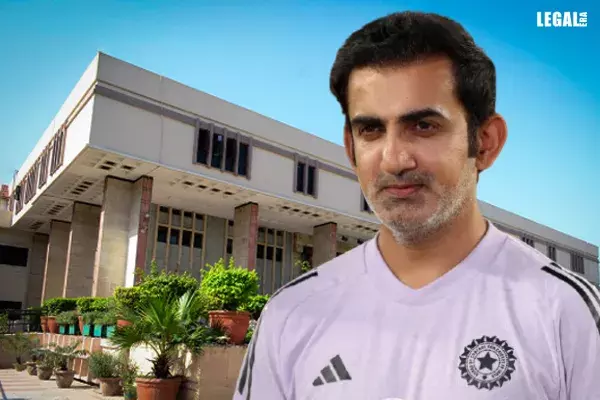
Delhi High Court Allows Gautam Gambhir to Withdraw Interim Plea, Flags Lack of Specific Takedown Requests
Introduction
The Delhi High Court permitted Gautam Gambhir to withdraw his application seeking interim injunction in a personality rights suit, after observing that the pleadings lacked specificity required for enforceable takedown directions. Justice Jyoti Singh emphasised that courts cannot pass effective orders against intermediaries without clear identification of infringing content.
Factual Background
The suit was filed by Gautam Gambhir alleging misuse of his name, image, and likeness across digital platforms for commercial exploitation and misinformation campaigns. The plaintiff sought damages of ₹2.5 crore and injunctive relief against unidentified entities and intermediaries for hosting and disseminating such content.
Procedural Background
The interim injunction application came up for hearing before the Delhi High Court, where the Court examined the nature of relief sought and the structure of the pleadings. During the course of hearing, the Court expressed dissatisfaction with the absence of specific takedown prayers and directed the plaintiff’s counsel to prepare a detailed list of infringing content. Subsequently, the plaintiff sought permission to withdraw the application with liberty to file a fresh one.
Issues
1. Whether an interim injunction can be granted without specific identification of infringing URLs and responsible defendants.
2. Whether broad and omnibus takedown prayers are legally sustainable against intermediaries.
3. Requirements for enforceable interim relief in personality rights disputes involving online content.
Contentions of the Parties
The plaintiff submitted that the injunction sought was intended to be broad enough to cover all infringing material and prevent continued misuse of his personality rights. However, intermediaries including Meta Platforms and Google argued that compliance with court orders is only possible when specific URLs and content are identified, and that vague directions create technical and legal difficulties in implementation.
Reasoning and Analysis
The Court underscored that enforceable takedown orders must be precise and structured, requiring identification of specific URLs and clear attribution of content to particular defendants. It observed that the absence of such details renders the prayer defective and incapable of execution. The Court also noted that intermediaries function within a defined legal and technical framework, and directions against them must be capable of practical implementation.
Justice Jyoti Singh criticised the lack of clarity in the pleadings, observing that the application did not contain proper takedown prayers or a defendant-wise and URL-wise classification of infringing content. The Court emphasised that omnibus or “all-encompassing” reliefs are not feasible in cases involving digital content and intermediary platforms.
The Court further facilitated coordination between the plaintiff’s counsel and intermediary representatives to prepare a structured list, highlighting the necessity of collaborative compliance mechanisms in such cases.
Decision
The Delhi High Court allowed the plaintiff to withdraw the interim injunction application with liberty to file a fresh application containing complete and specific particulars, including a detailed list of infringing URLs and defendants.