


Delhi High Court Allows Mohanlal to Withdraw Interim Plea, Seeks Specifics for Online Takedown Orders
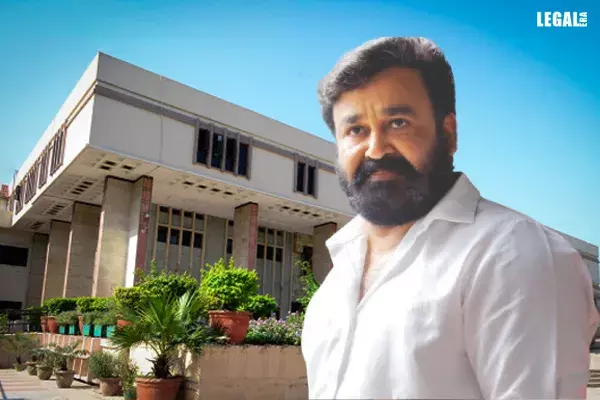
Delhi High Court Allows Mohanlal to Withdraw Interim Plea, Seeks Specifics for Online Takedown Orders
Introduction
The Delhi High Court allowed Malayalam actor Mohanlal Viswanathan Nair to withdraw his application seeking interim injunction in a personality rights suit, observing that the plea lacked sufficient specificity for issuance of enforceable takedown directions against intermediaries.
Justice Jyoti Singh granted liberty to file a fresh application with detailed particulars, including properly categorised defendants and specific URLs of allegedly infringing content.
Factual Background
The suit was filed by Mohanlal to protect his personality and commercial rights, alleging widespread misuse of his identity across digital platforms. The grievances included unauthorized merchandise, fake endorsements, AI-generated deepfake videos, voice cloning tutorials, and fraudulent online promotions using his likeness.
It was contended that such misuse not only caused financial loss but also damaged the actor’s reputation, particularly as misleading advertisements and schemes were being circulated in his name.
Procedural Background
An application seeking interim injunction and takedown of infringing content was filed before the Delhi High Court. During the hearing, the Court examined the nature of the relief sought and raised concerns regarding the absence of specific details required for implementation of takedown orders.
In light of these observations, the plaintiff sought permission to withdraw the application with liberty to file a fresh, more detailed plea.
Issues
1. Whether an interim injunction for takedown of online content can be granted without specific identification of infringing URLs.
2. Whether broad and unspecific pleadings are sufficient to seek directions against intermediaries.
3. Requirements for enforceable orders in personality rights infringement cases involving digital platforms.
Contentions of the Parties
The plaintiff submitted that multiple categories of infringement existed, including deepfakes, unauthorized merchandise, fake endorsements, and voice-cloning content, and emphasized the growing misuse of AI technologies affecting his reputation and commercial interests.
Intermediaries, including platforms such as Google and Meta Platforms, argued that any takedown direction must be based on clearly identified URLs and proper classification of content, and that some material may fall within permissible use such as satire or non-commercial depiction.
Reasoning and Analysis
The Court emphasised that enforceable takedown orders require precise identification of infringing material, including specific URLs and categorisation of defendants. It noted that vague and omnibus prayers cannot be acted upon, particularly when directions are sought against intermediaries responsible for hosting diverse forms of content.
The Bench also questioned procedural irregularities such as describing parties as “proforma defendants,” observing that such terminology is not recognised under procedural law. Further, the Court highlighted the importance of ensuring that orders are capable of effective implementation, directing that representatives from intermediary platforms be present in future proceedings to facilitate compliance.
The Court acknowledged the complexity of digital personality rights violations but underscored that legal remedies must be supported by detailed and structured pleadings.
Decision
The Delhi High Court permitted the plaintiff to withdraw the interim injunction application with liberty to file a fresh application containing complete and specific particulars.