


Delhi High Court Bars Dabur’s ‘Cool King Thanda Tael’ Over Imitation of Emami’s Navratna Trade Dress
Delhi High Court Bars Dabur’s ‘Cool King Thanda Tael’ Over Imitation of Emami’s Navratna Trade Dress
Introduction
The Delhi High Court has restrained Dabur India Limited from selling its cooling oil product Cool King Thanda Tael in a trade dress found to be deceptively similar to Emami Limited’s well-known Navratna Ayurvedic Oil. The Court held that Dabur’s packaging amounted to passing off and constituted a deliberate imitation of Emami’s distinctive trade dress, which has been in continuous use since 1989. The judgment was delivered on January 31 by Justice Tejas Karia in Emami Limited v. Dabur India Limited.
Factual Background
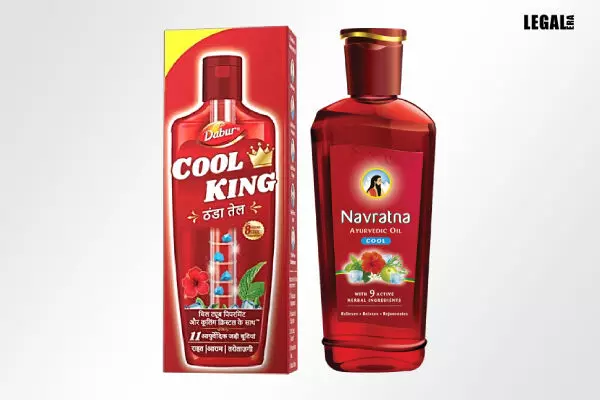
Emami Limited is the proprietor of Navratna Ayurvedic Oil, a leading product in the cooling hair oil segment with a market presence spanning over three decades. Emami claimed that the trade dress of Navratna oil comprising a red colour scheme, a transparent bottle of a particular shape, a flip-top cap, and visual elements such as hibiscus flowers, ice cubes and ayurvedic herbs had acquired strong goodwill and secondary meaning through uninterrupted use, extensive advertising and substantial sales.
In 2023, Emami discovered that Dabur had launched Cool King Thanda Tael, which allegedly replicated the essential visual and structural features of Navratna’s packaging. Emami contended that Dabur’s product was designed to mislead consumers and ride on Navratna’s established reputation.
Procedural Background
Emami initially secured an ex parte injunction in August 2023 restraining Dabur from using the impugned trade dress. However, a Division Bench later set aside the injunction on the ground that Dabur had not been afforded an opportunity to file its reply.
The matter was subsequently reheard on merits before the Single Judge, with the scope of adjudication confined to the issue of passing off.
Issues
1. Whether Emami had established goodwill in the trade dress of Navratna Ayurvedic Oil
2. Whether Dabur’s Cool King Thanda Tael adopted a trade dress deceptively similar to Navratna’s
3. Whether such similarity amounted to misrepresentation likely to cause consumer confusion and damage to Emami
Contentions of the Parties
Emami argued that Navratna oil enjoys a dominant market position with approximately 66% market share in the cooling oil segment and that its trade dress had acquired a strong secondary meaning. It was contended that Dabur’s adoption of an almost identical trade dress was dishonest and intended to exploit Navratna’s goodwill. According to Emami, the similarities were so striking that confusion among consumers of average intelligence and imperfect recollection was inevitable.
Dabur opposed the injunction, asserting that elements such as the colour red, cooling imagery like ice and herbs, and descriptive words such as “thanda” and “cool” were common to trade and functional in nature. Dabur further contended that the prominent display of its house mark “DABUR” was sufficient to distinguish its product. It also relied on its alleged prior use of red-coloured packaging in products like Dabur Lal Tail and Dabur HimSagar, arguing that Emami had failed to establish goodwill specifically in the claimed trade dress.
Reasoning and Analysis
The Court rejected Dabur’s contentions and held that while Emami could not claim a monopoly over individual elements such as the colour red or the depiction of herbs, the distinctive combination, arrangement and overall presentation of these elements had acquired secondary meaning in favour of Navratna oil.
Justice Tejas Karia observed that Dabur had copied the essential features of Emami’s trade dress, including the colour of the packaging, cap and liquid, the shape of the bottle, and the combination of red, white, yellow and gold, along with imagery of ice cubes, hibiscus flowers and ayurvedic herbs. The Court also noted the similarity in the placement and sequencing of descriptive words such as “Raahat”, “Aaraam” and “Tarotaazgi”.
The Court held that Dabur’s trade dress was deceptively similar and likely to mislead consumers into believing that the two products were associated. It concluded that Emami had prima facie established all three elements of passing off goodwill, misrepresentation and likelihood of damage.
Decision
The Delhi High Court restrained Dabur India Limited from selling Cool King Thanda Tael in the impugned trade dress found to be deceptively similar to Emami’s Navratna Ayurvedic Oil. The injunction was granted on the ground that Dabur’s packaging amounted to passing off and unfair exploitation of Emami’s goodwill.
In this case the plaintiff was represented by Mr. Abhimanyu Bhandari, Senior Advocate with Ms. Roohe Hina Dua and Mr. Harshit Khanduja, Advocates. Meanwhile the defendant was represented by Mr. Sandeep Sethi and Mr. Anirudh Bakhru, Senior Advocates with Ms. Kripa Pandit, Mr. Christopher Thomas and Ms. Pranjali Arya, Advocates.