Delhi High Court Extends Personality Rights Shield to Vivek Oberoi, Bars AI-Driven and Commercial Misuse of His Persona
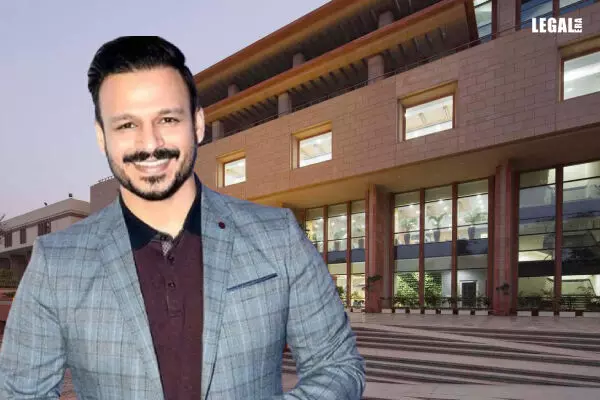
Delhi High Court Extends Personality Rights Shield to Vivek Oberoi, Bars AI-Driven and Commercial Misuse of His Persona
Introduction
The Delhi High Court has granted interim protection to the personality rights of Bollywood actor Vivek Oberoi, restraining unauthorised commercial exploitation of his name, image, voice, likeness and other attributes of his persona. The Court held that such rights extend to protection against misuse through emerging technologies, including Artificial Intelligence and deepfake tools.
Factual Background
Vivek Oberoi, a well-known actor and philanthropist, approached the High Court alleging large-scale misuse of his personality rights by various websites and unidentified entities. According to the plaint, third parties were impersonating him, selling unauthorised merchandise, and creating objectionable and derogatory AI-generated content, including deepfakes, without his consent. Oberoi contended that these activities caused serious harm to his goodwill, reputation and commercial interests.
He also asserted that his name constitutes a protectable trademark and that he enjoys moral rights in his performances under the Copyright Act, 1957.
Procedural Background
The suit was instituted before the Delhi High Court seeking an omnibus injunction against all present and future infringers who were commercially exploiting Oberoi’s personality attributes without authorisation. The matter came up before Justice Tushar Rao Gedela, who considered the request for interim relief.
Issues
1. Whether a celebrity is entitled to interim protection against unauthorised commercial use of their personality attributes, including misuse through AI, deepfakes and similar technologies.
Contentions of the Parties
Oberoi argued that his name, voice, image and likeness are inseparable from his identity and commercial persona, and that unauthorised exploitation of these attributes violates his personality and moral rights. He submitted that such misuse, particularly through AI-generated content and impersonation, resulted in reputational damage and loss of business opportunities.
The defendants were either unidentified or did not effectively contest the claims at this stage.
Reasoning and Analysis
The Court recognised Vivek Oberoi as a renowned public figure whose reputation has generated substantial goodwill. It held that personality rights include the exclusive right to commercially exploit one’s name, voice, image and likeness, and that these rights cannot be used without consent.
The Court further observed that technological advancements such as Artificial Intelligence, Generative AI, machine learning, deepfakes and face-morphing tools pose new and serious threats to personality rights. It emphasised that misuse of a celebrity’s persona through such technologies, without authorisation, is impermissible.
On a prima facie assessment, the Court found that Oberoi had established a strong case. It held that the balance of convenience lay in his favour and that denial of interim protection would result in irreparable harm to his reputation and goodwill.
Decision
By an order dated February 5, the Delhi High Court restrained all persons from commercially using Vivek Oberoi’s name, voice, image, likeness or any other aspect of his personality without his consent, including through AI-generated content, deepfakes and similar technologies. The Court thus granted interim protection safeguarding his personality rights.
In this case the plaintiff was represented by Ms. Sana Raees Khan, Mr. Pranay Chitale, Mr. Udayvir Rana, Mr. Aditya Dutta and Mr. Dhawesh Pahuja, Advocates.