


Delhi High Court Permanently Injuncts Biodeal Pharma for Infringing Sun Pharma’s “PEPFIZ” and “MINOZ” Trademarks
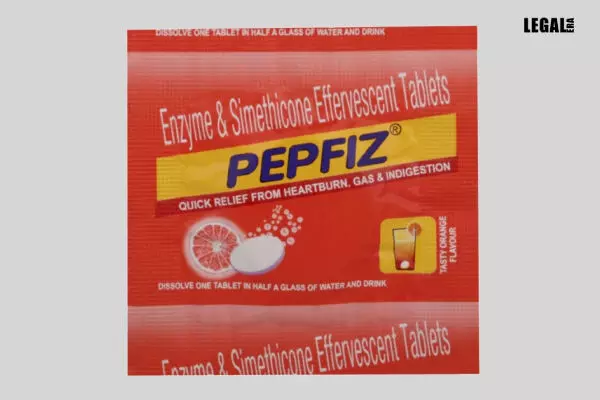
Delhi High Court Permanently Injuncts Biodeal Pharma for Infringing Sun Pharma’s “PEPFIZ” and “MINOZ” Trademarks
Introduction
The Delhi High Court has permanently restrained Biodeal Pharmaceuticals Pvt. Ltd. from using the marks “PEPFIX-DSR” and “MINOZIL”, holding that they are deceptively similar to Sun Pharmaceutical Industries Ltd.’s registered trademarks “PEPFIZ” and “MINOZ.” The Court found that Biodeal’s adoption of the impugned marks amounted to trademark infringement and passing off, posing a serious risk of consumer confusion in the pharmaceutical market.
Factual Background
Sun Pharmaceutical Industries Ltd. is a leading pharmaceutical company and the registered proprietor of several trademarks, including “PEPFIZ”, adopted in 1991 and commercially used since 2004 for pharmaceutical preparations, and “MINOZ”, adopted in 2003 for pharmaceutical and cosmetic products.
The plaintiff claimed that these marks have been extensively used over several years and have acquired significant goodwill and reputation. Sun Pharma relied on its trademark registrations, sales figures, and market presence to establish its proprietary rights.
Biodeal Pharmaceuticals Pvt. Ltd. was engaged in manufacturing and selling medicinal products under the marks “PEPFIX-DSR” and “MINOZIL,” which Sun Pharma alleged were nearly identical to its registered trademarks.
Procedural Background
Sun Pharma instituted a commercial suit seeking permanent injunction for trademark infringement and passing off. An ex parte ad-interim injunction was granted in December 2024, restraining Biodeal from manufacturing and selling products under the impugned marks.
Local Commissioners appointed by the Court subsequently seized approximately 19,000 infringing pharmaceutical products from Biodeal’s premises. Despite service of summons, Biodeal Pharmaceuticals failed to appear or file a written statement. Sun Pharma thereafter sought summary judgment.
The matter came up before a single bench of Justice Tejas Karia, who proceeded to decide the suit on the basis of the material on record.
Issues
1. Whether Sun Pharma was the registered proprietor of the trademarks “PEPFIZ” and “MINOZ” with enforceable statutory rights.
2. Whether the marks “PEPFIX-DSR” and “MINOZIL” were deceptively similar to Sun Pharma’s registered trademarks.
3. Whether the defendant’s adoption of the impugned marks amounted to trademark infringement and passing off.
4. Whether a permanent injunction ought to be granted in favour of the plaintiff.
Contentions of the Parties
Sun Pharma contended that the impugned marks were visually, phonetically and structurally similar to its registered trademarks and that Biodeal had dishonestly adopted them to ride upon its reputation. It argued that this was a clear case of infringement involving identical goods, trade channels and consumer base.
Biodeal Pharmaceuticals did not appear in the proceedings and did not contest the claims despite being duly served. Consequently, the plaintiff’s pleadings and evidence went unrebutted.
Reasoning and Analysis
The Court observed that Sun Pharma had conclusively established its status as the registered proprietor of the trademarks “PEPFIZ” and “MINOZ,” both of which had been in continuous and extensive use for several years and had acquired substantial goodwill.
Justice Karia noted that the present case involved “triple identity”, where the competing marks, the nature of goods, and the trade channels were identical. In such circumstances, the likelihood of confusion among consumers was extremely high, particularly in the pharmaceutical sector, where even minor confusion could have serious consequences.
The Court found that the adoption of the marks “PEPFIX-DSR” and “MINOZIL” was deliberate and dishonest, aimed at misleading unwary consumers into believing that the defendant’s products originated from or were associated with Sun Pharma. The similarity between the marks was held to be sufficient to deceive an average consumer with imperfect recollection.
Emphasising consumer interest, the Court observed that such infringement not only diluted Sun Pharma’s goodwill but also exposed consumers to the risk of purchasing inferior or unauthorised medicinal products. Given the defendant’s failure to contest the proceedings and the overwhelming evidence produced by the plaintiff, the Court held that Sun Pharma had clearly made out a case for permanent injunction.
Decision
The Delhi High Court decreed the suit in favour of Sun Pharmaceutical Industries Ltd. It permanently restrained Biodeal Pharmaceuticals Pvt. Ltd. from manufacturing, selling or dealing in pharmaceutical products under the marks “PEPFIX-DSR”, “MINOZIL”, or any other deceptively similar marks.
The Court also awarded costs in favour of Sun Pharma. As the plaintiff had confined its relief to injunction and costs, no damages were awarded. The ex parte interim injunction was made absolute.
In this case the plaintiff was represented by Mr. Sachin Gupta, Mr. Prashansa Singh, Mr. Rohit Pradhan, Mr. Ajay Kumar & Archana, Advocates



