


Delhi High Court Restrains Sale of Copycat “Little Hearts” Biscuits, Orders Amazon to Delist Listings
Delhi High Court Restrains Sale of Copycat “Little Hearts” Biscuits, Orders Amazon to Delist Listings
Introduction
In a notable development in Indian trademark jurisprudence, the Delhi High Court has granted interim protection to Britannia Industries Ltd against the manufacture and sale of biscuits deceptively similar to its iconic Little Hearts. The Court not only restrained the alleged infringers but also directed Amazon to remove such products from its online marketplace, reinforcing accountability in the digital commerce ecosystem.
Factual Background
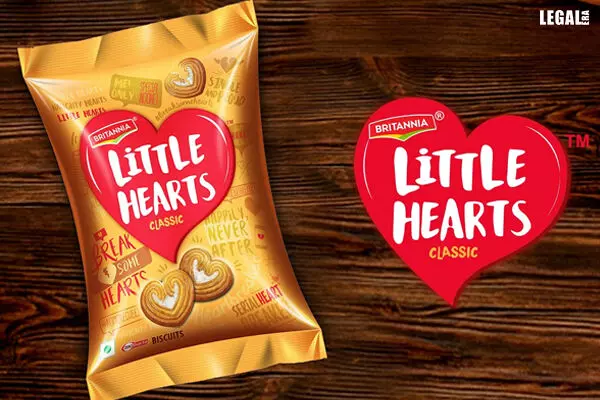
Britannia has been using the trademark Little Hearts since 1988 and introduced its distinctive sugar-coated, heart-shaped biscuits in 1993. Over the years, the product has acquired significant goodwill and consumer recognition across India. Britannia holds registered trademark rights over both:
- the wordmark Little Hearts, and
- the three-dimensional shape of the heart-shaped biscuit.
The dispute arose when Britannia discovered that biscuits were being sold on Amazon under the name Little Hearts by Shri Swastik Organics and associated individuals. The listings allegedly referred to Britannia Little Hearts and reproduced images closely resembling Britannia’s original packaging.
Procedural Background
Aggrieved by the alleged acts of trademark infringement and passing off, Britannia approached the Delhi High Court seeking urgent interim relief. The matter came up before Justice Manmeet Pritam Singh Arora. Despite service, none appeared on behalf of the defendants, leading the Court to proceed ex parte and consider Britannia’s application for interim injunction.
Issues
1. Whether the defendants’ use of the name Little Hearts and a similar heart-shaped biscuit amounted to trademark infringement and passing off.
2. Whether the adoption of an identical mark and shape indicated dishonest intent.
3. Whether an e-commerce platform could be directed to delist infringing products at the interim stage.
Contentions of the Parties
Plaintiff: Britannia contended that it has longstanding statutory and proprietary rights over the Little Hearts trademark and the biscuit’s distinctive shape. The defendants had dishonestly adopted an identical name and shape to ride on Britannia’s goodwill. The use of Britannia’s references and packaging images on Amazon listings clearly showed mala fide intent. Immediate interim relief was necessary to prevent consumer deception and irreparable harm to the brand.
Defendants: No submissions were made on behalf of the defendants, as none appeared before the Court.
Reasoning and Analysis
The Court noted that Britannia had established a strong prima facie case based on its long, continuous, and registered use of the Little Hearts mark and shape. The alleged use by the defendants was found to be not merely similar but identical, both in name and product configuration.
Justice Arora observed that the manner in which the products were listed by referring to Britannia Little Hearts and reproducing images of Britannia’s packaging demonstrated dishonest adoption and a clear mala fide intention to exploit the plaintiff’s reputation and goodwill.
The Court further emphasised that such conduct, if allowed to continue, would cause confusion among consumers and result in irreparable injury to Britannia. Given the apparent infringement, the balance of convenience clearly lay in favour of the plaintiff. Moreover, by directing Amazon to delist the products, the Court underscored that online marketplaces cannot remain passive intermediaries when infringing goods are brought to their notice.
Decision
The Delhi High Court granted an interim injunction restraining the defendants, their affiliates, and associated entities from using, manufacturing, selling, marketing, or advertising biscuits bearing the impugned Little Hearts mark or any identical or deceptively similar trademark or shape. Additionally, Amazon was directed to delist the infringing products from its platform. The order was passed ex parte in favour of Britannia, with the Court finding a clear case of trademark infringement and passing off.
In this case the plaintiff was represented by Mr. Sagar Chandra, Ms. Ishani Chandra, Ms. Shubhie Wahi, Ms. Sanya Kapoor and Ms. Mansha Bhatia, Advocates.



