INN-Derived Drug Names Are Public Property; Bombay High Court Rejects Aristo’s Bid to Monopolise “ACECLO”
INN-Derived Drug Names Are Public Property; Bombay High Court Rejects Aristo’s Bid to Monopolise “ACECLO”
Introduction
The Bombay High Court has reaffirmed that pharmaceutical trademarks derived from International Non-Proprietary Names (INNs) cannot be monopolised, refusing to grant interim relief in a trademark infringement and passing-off dispute between two drug manufacturers.
Factual Background
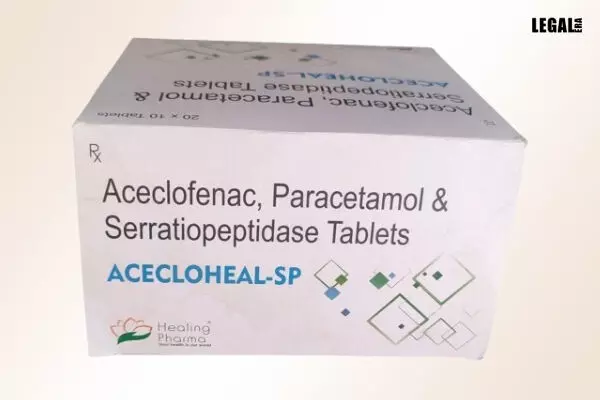
Aristo Pharmaceutical Pvt. Ltd. instituted a commercial suit against Healing Pharma India Pvt. Ltd., alleging infringement of its registered trademark “ACECLO” and passing off. Aristo claimed continuous use of the mark since 2003 for medicines containing Aceclofenac and asserted that the mark had acquired distinctiveness through long use and substantial sales. It objected to Healing Pharma’s use of marks such as “ACECLOHEAL-MR,” “ACECLOHEAL-SP” and “ACECLOHEAL-PLUS,” contending that these amounted to dishonest adoption intended to trade upon its goodwill.
Procedural Background
Aristo sought an interim injunction restraining Healing Pharma from using the impugned marks during the pendency of the suit. The matter came up before Justice Sharmila U. Deshmukh, who examined whether Aristo had made out a prima facie case warranting interim protection under trademark law.
Issues
1. Whether a pharmaceutical company can claim exclusivity over a trademark derived from an International Non-Proprietary Name
2. Whether the defendant’s use of a mark derived from the same INN amounts to trademark infringement or passing off
3. Whether interim injunction was justified on the facts of the case
Contentions of the Parties
Aristo argued that “ACECLO,” though derived from the INN Aceclofenac, had acquired secondary meaning due to long and extensive use, significant turnover and brand recognition. It contended that Healing Pharma’s adoption of “ACECLOHEAL” with added suffixes was dishonest and likely to cause confusion, particularly at the level of chemists and pharmacists.
Healing Pharma countered that “ACECLO” is merely a shortened form of the INN Aceclofenac, which lies in the public domain and cannot be monopolised. It submitted that Section 13 of the Trade Marks Act, 1999 bars exclusivity over INNs or names deceptively similar to them, and that its use of the additional suffix “HEAL” was bona fide and distinguishable.
Reasoning and Analysis
The Court observed that both “ACECLO” and “ACECLOHEAL” are directly derived from the INN Aceclofenac. It explained that Section 13 of the Trade Marks Act expressly prohibits registration and monopolisation of INNs or deceptively similar names, as such names are publici juris and meant for universal identification of pharmaceutical substances.
The Court held that this statutory bar operates irrespective of whether the validity of the plaintiff’s registration is formally challenged. A registered proprietor cannot enforce exclusivity over a mark that is inherently descriptive and drawn from an INN.
On the question of deceptive similarity, the Court noted differences in packaging, branding style and pricing between the rival products. It observed that where both marks originate from the same INN, the conventional test for deceptive similarity cannot be applied mechanically. The Court also rejected speculative concerns about chemist-driven substitution, holding that absence of prima facie evidence of misrepresentation was fatal to Aristo’s claim for interim relief.
Decision
The Bombay High Court dismissed the application for interim injunction, holding that trademarks derived from International Non-Proprietary Names cannot be monopolised. It found no prima facie case of infringement or passing off and declined to restrain Healing Pharma from using the impugned marks.
In this case the plaintiff was represented by Mr. Hiren Kamod, Mr. B. N. Poojari, Mr. Prem Khullar, Ms. Nidhi Bangera i/by Asian Patent Law. Meanwhile the defendant was represented by Mr. Atul Singh, Arzoo Gupta and Ms. Nikita Agrawal i/b AVS Legal for defendant No.1.