


Kerala High Court Enforces ‘Bokashi Bucket’ Trademark, Bars Identical Compost Bins Pending Trial
Kerala High Court Enforces ‘Bokashi Bucket’ Trademark, Bars Identical Compost Bins Pending Trial
Introduction
The Kerala High Court has granted interim protection to the registered trademark “Bokashi Bucket”, restraining a Kozhikode-based manufacturer from producing or selling compost bins under the same name. The Court held that continued use of an identical mark for identical goods attracted a statutory presumption of consumer confusion under the Trade Marks Act, 1999.
Factual Background
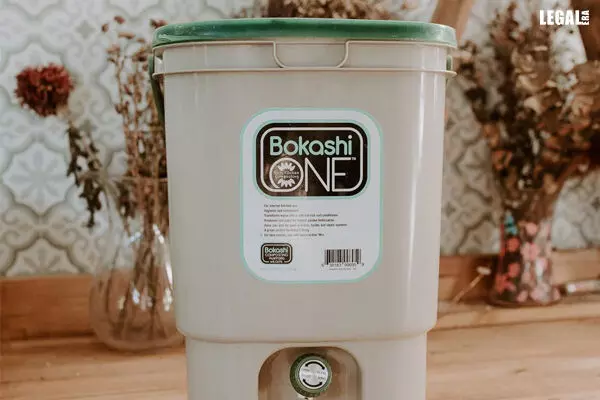
The dispute concerns compost bins marketed under the name “Bokashi Bucket.” Global Pharmaceuticals claimed ownership of the registered trademark “Bokashi Bucket” and a registered design relating to the compost bin. According to the company, the product is an innovative waste-management solution that converts kitchen waste into manure and has acquired market recognition under the said mark.
Global Pharmaceuticals alleged that the Kozhikode-based manufacturer had copied not only the overall design and appearance of its compost bin but had also used the identical name “Bokashi Bucket,” thereby misleading consumers into believing that both products originated from the same source.
The Kozhikode manufacturer, on the other hand, contended that “bokashi bucket” is a generic term commonly used in the composting community since 2013. It claimed that its products were sold under the brand name “Maria” and further pointed out that Global Pharmaceuticals’ trademark registration was under challenge in separate proceedings.
Procedural Background
The Additional District Court had initially refused to grant interim protection to Global Pharmaceuticals. Aggrieved by this refusal, the trademark holder approached the Kerala High Court by way of appeal.
The appeal came up before a Single Judge of the High Court, who was called upon to examine whether interim protection ought to be granted pending disposal of the suit.
Issues
1. Whether the continued use of the term “Bokashi Bucket” by the respondent amounted to trademark infringement
2. Whether the term “Bokashi Bucket” could be treated as generic despite its registration
3. Whether the appellant was entitled to an interim injunction pending adjudication of the suit
Contentions of the Parties
Global Pharmaceuticals argued that its trademark registration for “Bokashi Bucket” was valid and subsisting, and that the respondent’s admitted use of the identical mark for identical goods squarely attracted infringement under the Trade Marks Act. It was contended that consumer confusion was inevitable and that refusal of interim relief would cause irreparable harm.
The respondent manufacturer maintained that “bokashi bucket” is a descriptive and generic expression widely used in composting practices. It also relied on the fact that the appellant’s trademark registration was under challenge, asserting that interim protection should not be granted in such circumstances.
Reasoning and Analysis
The High Court rejected the respondent’s plea that the term was generic, observing that the trademark registration in favour of Global Pharmaceuticals continued to remain valid since no final decision had been taken in the challenge proceedings. The Court emphasised that so long as the registration subsists, the statutory rights flowing from it cannot be ignored.
The Court noted that both parties were dealing in identical products and that the respondent had admittedly used the expression “Bokashi Bucket.” In such circumstances, the case clearly fell within Section 29(2)(c) of the Trade Marks Act, which provides for a presumption of confusion where an identical mark is used for identical goods.
Relying on the Supreme Court’s decision in Renaissance Hotel Holdings Inc. v. B. Vijaya Sai, the Court reiterated that once improper use of a registered trademark is established, an injunction must ordinarily follow. The High Court held that the appellant had successfully demonstrated a prima facie case and that balance of convenience lay in its favour.
Decision
The Kerala High Court set aside the order of the Additional District Court and granted a temporary injunction. The Kozhikode-based manufacturer, its agents and persons acting on its behalf were restrained from manufacturing, selling or promoting compost bins using the trademark “Bokashi Bucket” until the disposal of the suit.
In this case the plaintiff was represented by Mr. P Martin Jose, Mr. K.M. Jamaludheen, Mr. P. Prijith, Mr. Thomas P. Kuruvilla, Mr. R. Githesh, Mr. Ajay Ben Jose, Mr. Manjunath Menon, Mr. Sachin Jacob Ambat, Ms. Anna Linda Eden, Mr. Harikrishnan S., Ms. Anavadya Sanil Kumar, Ms. Anjali Krishna and Senior Advocate Mr. S Sreekumar.



