Supreme Court Orders Status Quo in ‘ZENOVIT’ Trademark Battle Between Zenlab and Latros, Seeks Expeditious Trial
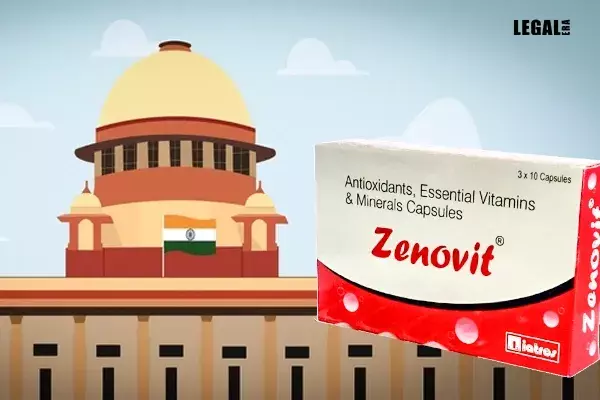
Supreme Court Orders Status Quo in ‘ZENOVIT’ Trademark Battle Between Zenlab and Latros, Seeks Expeditious Trial
Introduction
The Supreme Court of India has directed the parties to maintain status quo in a trademark dispute concerning the mark “ZENOVIT” between Zenlab India and Latros Pharmaceuticals Pvt. Ltd. A Bench comprising Justices Pamidighantam Sri Narasimha and Alok Aradhe passed the order while allowing an appeal filed by Zenlab challenging a judgment of the Bombay High Court that had granted an injunction in favour of Latros. The Court directed that the parties maintain status quo and asked the trial court to dispose of the pending suits expeditiously.
Factual Background
The dispute relates to the trademark “ZENOVIT”, used in relation to pharmaceutical preparations including vitamin, mineral and antioxidant formulations. Latros Pharmaceuticals claimed proprietary rights over the mark based on a trademark application filed on March 10, 1989. The mark was registered on April 15, 1994 and continued to remain valid and subsisting.
According to Latros, Zenlab began manufacturing and marketing similar pharmaceutical products using the identical mark “ZENOVIT”, which allegedly infringed its registered trademark and was likely to cause confusion among consumers. After issuing cease-and-desist notices in November 2011 and January 2012, Latros initiated a trademark infringement suit before the District Court at Pune in December 2014 seeking injunction and other reliefs against Zenlab.
Procedural Background
During the course of litigation, Zenlab contended that it had been using the mark “ZENOVIT” since 2008 and therefore claimed to be the prior user in the market. The dispute eventually reached the Bombay High Court, which granted an injunction in favour of Latros restraining Zenlab from using the mark. Aggrieved by this decision, Zenlab filed an appeal before the Supreme Court challenging the High Court’s order. On April 4, 2022, while issuing notice in the appeal, the Supreme Court stayed the operation of the injunction granted by the Bombay High Court.
Issues
1. Whether the injunction granted by the Bombay High Court restraining Zenlab from using the mark “ZENOVIT” should continue to operate pending the final adjudication of the dispute.
2. Whether interim protection should be granted in a manner that preserves the existing position between the parties until the suits are decided.
Contentions of the Parties
Latros Pharmaceuticals Pvt. Ltd. argued that it held a valid and subsisting registration for the trademark “ZENOVIT” dating back to 1994. It contended that Zenlab’s use of the identical mark for similar pharmaceutical products constituted trademark infringement and was likely to cause confusion among consumers.
Zenlab India, on the other hand, asserted that it had been using the mark since 2008 and therefore claimed prior use in the market. It challenged the Bombay High Court’s injunction order, arguing that restraining it from using the mark would cause significant prejudice given its long-standing commercial use of the trademark.
Reasoning and Analysis
The Supreme Court noted that Zenlab had been using the trademark “ZENOVIT” since 2008 and continued such use until the Bombay High Court granted the injunction in favour of Latros.
Considering the competing claims of trademark registration and prior user rights, the Court observed that the interests of justice would be served by maintaining the existing position between the parties until the dispute is finally resolved by the trial court. The Bench also emphasised the need for an expeditious adjudication of the pending suits so that the controversy surrounding the trademark could be finally determined without prolonged interim arrangements.
Decision
The Supreme Court allowed the appeal filed by Zenlab India and confirmed the earlier stay of the Bombay High Court’s injunction order. The Court directed both parties to maintain status quo with respect to the use of the trademark “ZENOVIT” and instructed the trial court to take up and dispose of the pending suits expeditiously.
In this case the petitioner was represented by Senior Advocate Anand Sanjay M Nuli with Advocates Nikhilesh Kumar, Mahesh Kumar, Pratyaksh Kumar, Sriniwasan M Bogisam, Sanjay Sharma, Saravjeet Singh, Lalit Belwal, Ashish Belwal, Yashica Rawal, Devika Khanna, Vmz Chambers, AOR, Sandeep Singh, AOR.