


Copyright Showdown: AI Artist Jason M. Allen Takes on the U.S. Copyright Office
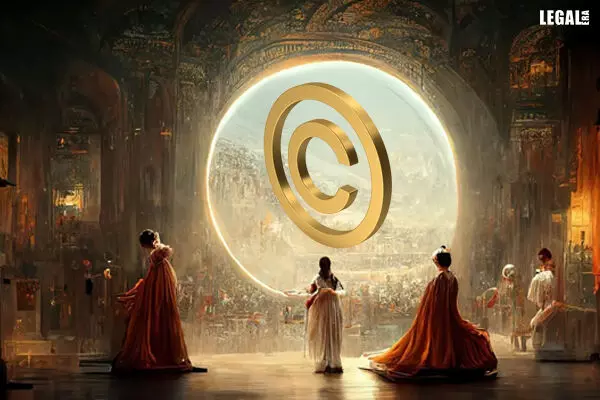
Copyright Showdown: AI Artist Jason M. Allen Takes on the U.S. Copyright Office
Introduction
AI artist Jason M. Allen has filed a Motion for Summary Judgment with the U.S. District Court for the District of Colorado, requesting that the court overturn the Copyright Office's refusal to register his award-winning image "Théâtre D'opéra Spatial," created with the AI system Midjourney.
Factual Background
The U.S. Copyright Office Review Board previously denied registration for Allen's artwork, asserting that when AI produces complex works solely from a human prompt, the "traditional elements of authorship" are executed through the technology and not by the human user. Allen contends that he fulfills authorship requirements under the Copyright Act and established legal precedent.
Procedural Background
Allen's motion argues that the Copyright Office's denial originates from a perceived absence of "traditional elements of authorship." The complaint highlights that the Copyright Act requires originality and a fixed medium of expression, which Allen's work meets.
Contentions and Observations
- Minimal Level of Creativity: Allen's motion cites the Feist Publications, Inc. v. Rural Telephone Service Co., Inc. case, which established that copyright subsists in any work exhibiting a "spark of creativity" or a "minimal level of creativity."
- Authorship and Machine Intervention: Allen claims that his argument aligns with the Supreme Court case Burrow-Giles Lithographic Co. v. Sarony, which addressed the copyrightability of photographs and affirmed the photographer's creative decisions and authorship.
- Defining Authorship: Allen's brief asserts that the Supreme Court and Federal Courts' definition of "author" directly embodies him, as the originator and maker of the work.
- Challenge to Established Law: Allen's brief argues that the Copyright Office's test for copyrightability directly contravenes established legal principles and imposes unconstitutional limitations on the concept of authorship.
Reasoning and Analysis
The case highlights the complexities of copyright law and the challenges of applying traditional notions of authorship to AI-generated works. Allen's motion demonstrates that his creative process and control over the AI system meet the requirements for authorship under the Copyright Act.
Implications
The outcome of this case will have significant implications for the future of copyright law and the protection of AI-generated works. If the court rules in favor of Allen, it could establish a precedent for the copyrightability of AI-generated works and provide clarity on the role of human creativity in AI-assisted art.