


Rasmussen Instruments Lawsuit Shows Importance of Patent Ownership for Legal Standing
Rasmussen Instruments Lawsuit Shows Importance of Patent Ownership for Legal Standing
Key Legal Insights from Rasmussen Instruments Case on Patent Ownership and Standing
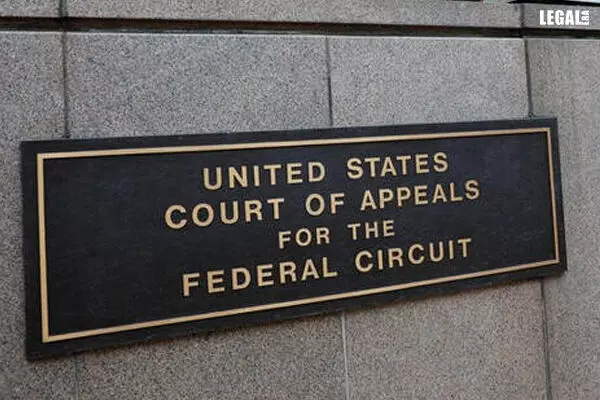
In a significant decision, the U.S. Court of Appeals for the Federal Circuit ruled in Rasmussen Instruments, LLC v. DePuy Synthes Products, Inc. that Rasmussen Instruments, LLC did not possess the necessary legal standing to file a patent infringement lawsuit, as it lacked ownership of the patents at the time the suit was initiated. The ruling vacated a judgment by the U.S. District Court for the District of Massachusetts and remanded the case for dismissal due to a lack of subject matter jurisdiction.
Background of the Case: Patent Infringement and Legal Disputes
Rasmussen Instruments, LLC filed a patent infringement lawsuit against DePuy Synthes Products, Inc. and DePuy Synthes Sales, Inc. in 2020, accusing the companies of infringing U.S. Patent Nos. 9,492,180 and 10,517,583. These patents relate to instruments used during the surgical installation of knee replacement implants. At trial, a jury found that DePuy had infringed the '180 patent but not the '583 patent, and both patents were deemed valid. As a result, the jury awarded Rasmussen $20 million in damages.
However, following the trial, DePuy renewed its motion for judgment as a matter of law, questioning Rasmussen's ownership of the asserted patents and challenging the jury's findings on both direct and indirect infringement. Rasmussen, in turn, moved for enhanced damages, attorneys' fees, prejudgment interest, and a permanent injunction. The court granted the motions for prejudgment interest and a permanent injunction, but DePuy appealed the judgment to the CAFC.
The 2006 Assignment Agreement: Key to Patent Ownership
The central issue in the Rasmussen Instruments case was the question of patent ownership. The Federal Circuit closely examined a 2006 assignment agreement between Dr. Rasmussen, the inventor of the patents in question, and Wright Medical, a company with which Dr. Rasmussen had partnered in the development of orthopaedic surgical tools.
In the early 2000s, Dr. Rasmussen developed the ZEN INSTRUMENT, a device used in knee replacement surgeries. After entering into a formal agreement with Wright Medical in 2006, Dr. Rasmussen assigned his intellectual property rights in the ZEN INSTRUMENT to Wright. According to the agreement, the term "Inventions" included not only the original ZEN INSTRUMENT but also any subsequent improvements, modifications, or variations of the invention, whether created solely by Dr. Rasmussen or in collaboration with others, including Wright Medical employees.
CAFC determined that the asserted patents in 2020, namely the '180 and '583 patents, were variations or improvements of the ZEN INSTRUMENT, making them subject to the 2006 assignment. The court reasoned that once Dr. Rasmussen had assigned his intellectual property rights to Wright, he no longer held ownership of the patents. Therefore, he could not transfer ownership of the asserted patents to Rasmussen Instruments in 2020, as he had no legal rights to do so.
The Federal Circuit's Ruling: Lack of Standing and Dismissal
CAFC's decision cantered on the issue of standing to sue for patent infringement. To bring a patent infringement lawsuit, a plaintiff must have ownership or exclusive rights to the patents being asserted. The court found that, due to the 2006 assignment agreement, Rasmussen Instruments could not establish ownership of the patents at the time it filed its lawsuit in 2020.
The court's opinion, written by Circuit Judge Hughes and joined by Circuit Judges Linn and Cunningham, noted that there was no indication that Wright Medical had ever reassigned the asserted patents back to Dr. Rasmussen. As a result, CAFC concluded that Rasmussen Instruments lacked the legal standing to pursue the infringement action. The court emphasized that without ownership of the patents, Rasmussen Instruments was not entitled to the damages and other remedies sought in the lawsuit.
In light of these findings, CAFC vacated the district court's judgment and remanded the case with instructions to dismiss the lawsuit for lack of subject matter jurisdiction. The court further noted that the parties' remaining arguments were unpersuasive and did not change the conclusion on standing.
Implications of the Decision: Legal Precedents and Patent Ownership
The Rasmussen Instruments decision serves as an important reminder of the intricacies of patent ownership and the critical role it plays in patent litigation. Patent ownership is a fundamental requirement for standing to bring an infringement suit, and the Federal Circuit's ruling highlights the need for plaintiffs to establish clear ownership or rights to the asserted patents before pursuing legal action.
The case also underscores the significance of assignment agreements in patent law. The 2006 assignment agreement between Dr. Rasmussen and Wright Medical played a pivotal role in determining the outcome of this case, as it effectively transferred ownership of the patents to Wright and prevented Rasmussen Instruments from asserting them in court. For companies and individuals involved in intellectual property transactions, it is essential to understand the scope and implications of assignment agreements, as they can significantly affect future rights to patents and the ability to enforce those rights.
A Cautionary Tale for Patent Litigants
The Rasmussen Instruments ruling underscores the importance of ensuring proper ownership of patents before initiating litigation. Patent holders must be diligent in maintaining clear documentation of ownership rights, especially when engaging in assignment agreements or transferring intellectual property. This case also highlights the complexities of patent law and the need for thorough legal analysis when determining standing to sue for patent infringement.
As patent disputes continue to evolve, litigants and legal practitioners must remain vigilant in addressing issues of patent ownership, particularly in cases involving multiple parties and complex agreements. The Rasmussen Instruments case provides valuable lessons for anyone involved in patent litigation and reinforces the principle that standing to sue is a prerequisite for pursuing a patent infringement claim.