


USPTO Director John Squires Takes Office, Emphasizes Strengthening Patents and Supporting Innovation
USPTO Director John Squires Takes Office, Emphasizes Strengthening Patents and Supporting Innovation
Introduction
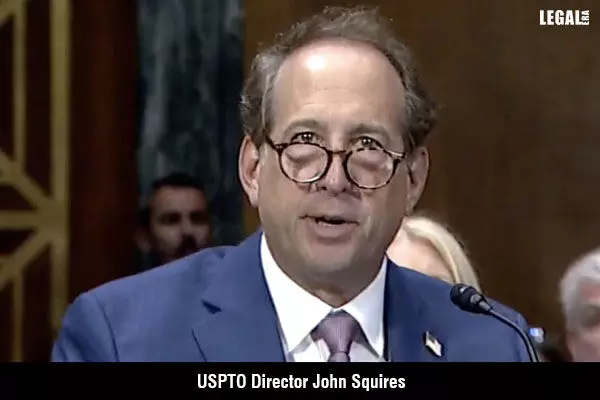
John Squires was officially sworn in as the 60th Director of the United States Patent and Trademark Office (USPTO) on September 23. On his first day, he issued the first patents of his term, focusing on technology sectors that often face scrutiny about patent eligibility.
Factual Background
Squires was confirmed by the U.S. Senate on September 19 as part of an en bloc vote on 48 pending nominees. During his confirmation hearing in May, Squires emphasized his goal of making patents strong up front. Acting Director Coke Morgan Stewart had already taken measures to restore quiet title to patents, which many felt were patent owner-friendly.
Procedural Background
Squires was sworn in by Judge Ryan T. Holte, and Acting Director Stewart resumed her post as Deputy Director. Squires credited Stewart with getting the agency "back on our front foot."
Issues
- Patent Eligibility: The USPTO faces challenges in determining patent eligibility, particularly in technology sectors like distributed ledger/crypto and medical diagnostics.
- Patent Strength: Squires aims to make patents strong up front, ensuring that examiners have the best tools for vetting patents.
Contentions of the Parties
Squires' Commitment: Squires emphasized his commitment to granting patents on "applied technologies," including those that have been dismissed as "mere business methods" or "ineligible diagnostic practices."
USPTO's Role: Squires believes in a strong, robust, expansive, and resilient intellectual property system, and he aims to upgrade the tools examiners use for vetting patents.
Reasoning and Analysis
Squires' remarks during the patent signing ceremony highlighted his focus on applied technologies and his commitment to supporting innovation. He used the example of Samuel Morse's telegraph patent to illustrate the importance of foundational technologies.
Implications
Squires' appointment and first actions as USPTO Director signal a new direction for the agency, with a focus on strengthening patents and supporting innovation. Moreover, his commitment to upgrading the tools examiners use for vetting patents and analyzing Patent Trial and Appeal Board (PTAB) trends may lead to changes in patent prosecution and litigation.



