


Danone’s Skyr Yoghurt Launch Blocked in Ireland Following Passing Off Claim by Yoplait
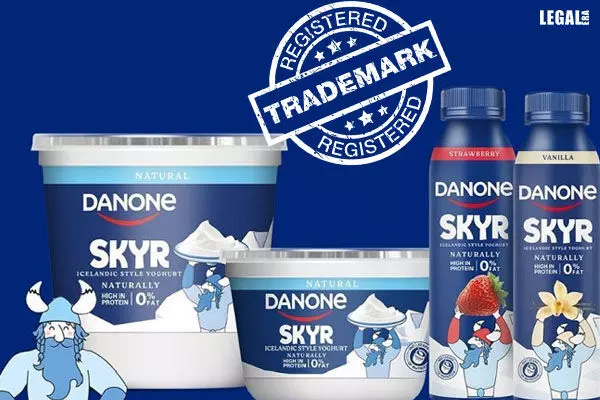
Danone’s Skyr Yoghurt Launch Blocked in Ireland Following Passing Off Claim by Yoplait
Introduction
The Irish Court of Appeal has upheld an injunction against global food and drinks company Danone, preventing it from launching a yoghurt product in Ireland that was found to be “confusingly similar” to Yoplait’s existing Skyr range. The injunction, originally granted by Mr Justice Max Barrett in May 2025, restrains Danone from “passing off” its products as those of Yoplait, pending a full trial.
Factual Background
The dispute concerns two “skyr” yoghurt products, made using a traditional Icelandic recipe and marketed as low-fat and high-protein. Yoplait, represented by Browne Jacobsen Ireland, launched its Skyr products in Ireland in September 2022, featuring blue-and-white packaging with mountain imagery. Danone’s subsidiary Nutricia Ireland Limited, represented by William Fry, intended to launch its own Skyr products in Ireland on 6 May 2025, using packaging also in blue and white — similar to that sold in France, Belgium, and the UK.
Procedural Background
Following correspondence between the companies in April 2025, Yoplait initiated legal proceedings, alleging that Danone’s packaging was “confusingly similar” and amounted to passing off. The Irish High Court issued an interim injunction on 2 May 2025, which has now been upheld by the Court of Appeal, albeit on modified terms.
Contentions of the Parties
- Yoplait’s Contentions: Yoplait argued that Danone’s similar get-up would mislead consumers and damage its goodwill, constituting passing off.
- Danone’s Contentions: Danone denied passing off and maintained that its packaging was consistent with its established branding and registered trademarks. It also sought the removal of the words “confusingly similar” from the injunction order, calling them vague and legally risky.
Court’s Analysis
Ms Justice Niamh Hyland, delivering the appellate judgment on 1 August 2025, held that Mr Justice Barrett had made no “material error” in assessing the competing products or identifying the relevant consumer. Although she disagreed with the trial judge’s finding on the degree of similarity, she concluded that the threshold for overturning his decision had not been met.
Reasoning & Analysis
The Court acknowledged that Danone was being denied entry into a market it may be entitled to compete in, but stressed that Yoplait had an obligation to expedite the trial in light of the ongoing restraint. Justice Hyland also ordered the removal of the words “confusingly similar” from the injunction to reduce ambiguity.
Implications
This decision underscores that a brand name or trademark alone may not protect a new product from an interlocutory injunction if its overall design is too close to a competitor’s with established goodwill. It also reinforces the need for expedited proceedings when market entry is being restricted by interim relief.
Outcome
The Court of Appeal upheld the injunction, on modified terms, preventing Danone from launching its Skyr yoghurt product in Ireland until trial.
In this case Yoplait was represented by Mr. Browne Jacobsen Ireland, Advocate. Meanwhile Danone was represented by Mr. William Fry, Advocate.



