Delhi High Court Orders Removal of ‘Croose’ Trademark Due to Similarity with ‘Crocs’
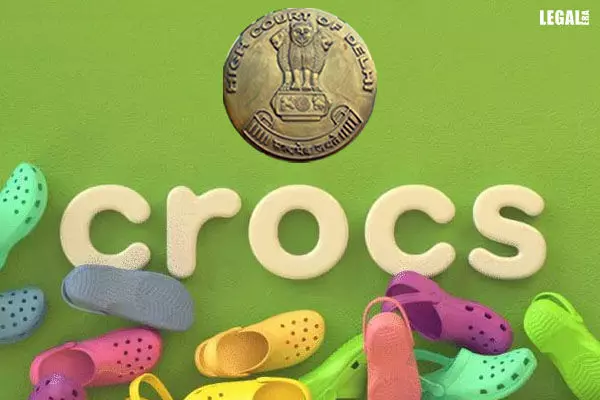
Delhi High Court Orders Removal of ‘Croose’ Trademark Due to Similarity with ‘Crocs’
Introduction
The Delhi High Court has ordered the deletion of the trademark registration for the mark ‘Croose’ due to its deceptive similarity with the trademark held by American footwear company Crocs. The Court found that the mark ‘Croose’ is likely to cause confusion among consumers and is visually and phonetically similar to ‘Crocs.’
Factual Background
Crocs, a US-based footwear brand, approached the High Court seeking the cancellation of the trademark ‘Croose’ registered with the Registrar of Trademarks in India. Crocs claimed that it had registered its mark in India between 2005 and 2006 and has a distinctive style, international goodwill, and reputation being exploited by the mark ‘Croose.’
Procedural Background
Crocs filed a petition before the Delhi High Court, seeking the cancellation of the trademark ‘Croose.’ The respondent, the owner of the ‘Croose’ mark, filed no written submissions but made oral submissions opposing the petition. The Court considered the arguments of both parties and delivered its judgment.
Issues
1. Trademark Similarity: Whether the mark ‘Croose’ is deceptively similar to the trademark ‘Crocs.’
2. Confusion Among Consumers: Whether the mark ‘Croose’ is likely to cause confusion among consumers.
Reasoning & Analysis
The Court compared the products sold under the two marks and found that the mark ‘Croose’ is similar to the mark ‘Crocs’ both visually and phonetically. The bench of Justice Tejas Karia observed that the trademark ‘Croose’ is likely to cause confusion among its consumers and is hit by Section 11(1)(b) of the Trademarks Act, which prohibits registration of a trade mark that is deceptively similar to a trade mark already on the register.
Decision
The Court concluded that the mark ‘Croose’ deserves to be removed from the register of trade marks to maintain purity of the register. Accordingly, the Court directed the Trademark Registry to remove the mark ‘Croose’ from the register and update its website within four weeks.
Implications
The Delhi High Court's decision highlights the importance of protecting trademarks and preventing confusion among consumers. The ruling ensures that trademarks are not registered or maintained if they are deceptively similar to existing marks.
Conclusion
The Court's judgment in this case emphasizes the need to maintain the purity of the trademark register and prevent confusion among consumers. The decision is a significant victory for Crocs, protecting its trademark and reputation in India.
In this case the petitioner was represented by Mr. Ajay Amitabh Suman, Mr. Shravan Kumar Bansal, Mr. Rishi Bansal, Mr. Deepak Srivastava, Ms. Shruti Manchanda and Ms. D. Mehra, Advocates. Meanwhile the respondent was represented by Mr. Ashish K. Dixit, Mr. Shivam Tiwari and Mr. Umar Hashmi, Advocates for R-1 along with Mr. Harshit Jain and Mr. Rahul Kumar, Advocates for R-2.