Elon Musk’s X Corp Settles Trademark Lawsuit with X Social Media: A Closer Look at the Case and Its Implications
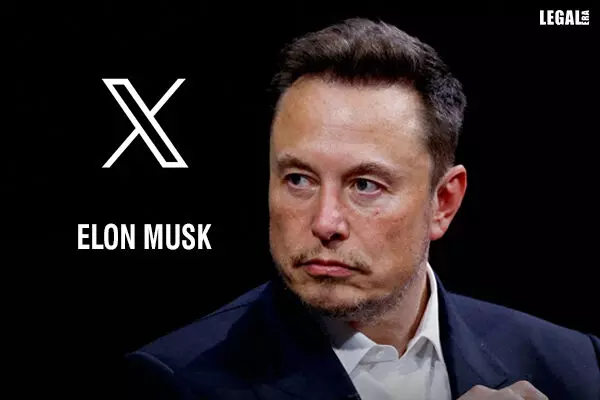
Elon Musk’s X Corp Settles Trademark Lawsuit with X Social Media: A Closer Look at the Case and Its Implications
“Legal experts analyse the impact of X Corp's trademark settlement on branding and intellectual property law”
In a significant legal development, X Corp, the parent company of the social media platform formerly known as Twitter, has reached a settlement with X social media, a legal-marketing firm. The dispute, cantered around the use of the trademark "X," was formally settled on Monday, with both parties requesting a Florida federal court to dismiss the case with prejudice, meaning the lawsuit cannot be refiled. This settlement marks the resolution of a high-profile legal battle that attracted attention due to its potential impact on trademark laws and corporate branding.
Background of the Lawsuit
The legal battle began in October 2023 when X social media filed a lawsuit against X Corp, alleging that Elon Musk’s rebranding of Twitter to "X" had caused confusion in the marketplace and led to a loss of revenue. X social media, a Florida-based advertising agency specializing in recruiting plaintiffs for mass-tort lawsuits, claimed that Musk's rebranding of the platform to "X" had led consumers to mistakenly associate its own "X" trademark with Musk's newly rebranded platform. The company argued that the confusion created by the rebrand had a detrimental effect on its business operations. X Social Media’s founder, Jacob Malherbe, expressed that the company was forced to take legal action due to the adverse business effects it experienced as a result of Musk’s decision to adopt the "X" name. The lawsuit sought damages and an injunction to prevent further trademark infringement.
X Corp’s Response
X Corp, on the other hand, dismissed the lawsuit as a "shakedown." The company contended that X social media had coexisted peacefully with numerous other companies using the "X" trademark for years without significant conflict. X Corp’s legal team argued that the branding shift from Twitter to X was well within Musk’s rights, asserting that the company had already invested in the "X" brand before the rebrand and had no obligation to change its name or face legal consequences from a relatively small entity like X social media. Furthermore, X Corp has faced previous challenges to its use of the "X" trademark, including a separate lawsuit filed by the advertising firm Multiply earlier this year. Multiply also claimed that X Corp’s use of the "X" brand violated its trademark rights, though that case was settled earlier in 2023.
Details of the Settlement
Though the exact terms of the settlement have not been disclosed, Jacob Malherbe confirmed that as part of the resolution, X social media would change its name to "Mass Tort Ad Agency." The decision to rebrand came after what was described as a mutually agreed-upon resolution between the two parties, with the case being dismissed with prejudice, ensuring that it cannot be revived in the future. The settlement raises questions about the scope and enforceability of trademark rights, especially as they relate to the use of generic or broad terms such as the letter "X." The case highlights the potential complexities that businesses face when navigating intellectual property law, particularly when a brand name is widely used across different sectors.
Key Legal Representatives Involved
- X Corp: Megan Bannigan and David Bernstein of Debevoise & Plimpton
- X Social Media: Kathryn Kent, Sophie Edbrooke, and Michael Kanach of Gerben Perrott
Legal Implications and Broader Impact
The settlement between X Corp and X social media has broader implications for trademark law, especially in an era where branding decisions are highly visible and often controversial. The outcome of this case could influence future legal disputes over trademark usage in industries where multiple entities claim rights to similar names or logos. The case also underscores the difficulties that businesses may face when a major corporation, such as X Corp, enters the market with a dominant brand that could conflict with smaller entities. The high-profile nature of the case serves as a reminder of the power of large corporations in shaping branding norms, as well as the challenges faced by smaller businesses in protecting their intellectual property. For X Corp, the settlement brings closure to one of several trademark-related legal challenges that have arisen in the wake of the rebranding from Twitter to X. It remains to be seen whether other companies will challenge X Corp’s use of the "X" brand in the future or whether this settlement will set a precedent for similar cases.
The settlement between X Corp and X social media marks a significant resolution to a contentious trademark dispute. While the terms of the settlement remain undisclosed, it is clear that the case has raised important questions about trademark law, branding practices, and the rights of businesses to protect their intellectual property. As the digital and legal landscapes continue to evolve, this case serves as a reminder of the complexities involved in corporate branding and the potential for legal challenges when multiple entities lay claim to similar trademarks. The future of the "X" brand, particularly under the stewardship of Elon Musk’s X Corp, remains a topic of interest. However, for now, X Social Media’s decision to rebrand itself and the dismissal of the lawsuit mark the end of one chapter in this ongoing legal saga.