


Phonetic Similarity Relevant in Trademark Disputes Even for Online Sales: Delhi High Court
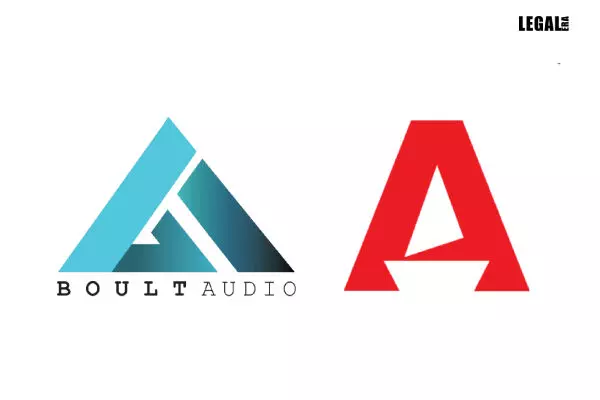
Phonetic Similarity Relevant in Trademark Disputes Even for Online Sales: Delhi High Court
Introduction
The Delhi High Court has upheld an interim order restraining Exotic Mile from using the "BOULT" trademark and logos, which were found to be deceptively similar to businessman Aman Gupta's "boAt" brand.
Factual Background
The dispute arose between Imagine Marketing Pvt Ltd, the owner of the "boAt" brand, and Exotic Mile, which sells similar products under the "BOULT" brand. Imagine Marketing Pvt Ltd alleged that Exotic Mile's use of the "BOULT" trademark and logos is an attempt to ride on the goodwill and popularity of the "boAt" brand.
Procedural Background
The case was heard by a division bench of Justices C. Hari Shankar and Ajay Digpaul, who considered the appeal filed by Exotic Mile against the interim order passed by the Single Judge. The Single Judge had restrained Exotic Mile from using the "BOULT" trademark and logos.
Issues
The primary issues before the court were:
- Trademark Infringement: Whether Exotic Mile's use of the "BOULT" trademark and logos constitutes trademark infringement and passing off.
- Phonetic Similarity: Whether phonetic similarity is relevant in cases where products are sold online.
Contentions of Parties
Exotic Mile: Exotic Mile argued that phonetic similarity has no relevance where products are sold online, and consumers can clearly see the product details on the screen.
Imagine Marketing Pvt Ltd: Imagine Marketing Pvt Ltd contended that the use of the "BOULT" trademark and logos by Exotic Mile is likely to cause consumer confusion and dilute the "boAt" brand.
Reasoning & Analysis
The court observed that:
Phonetic Similarity: Names reside in the human psyche as much because of their sound as because of their appearance when presented as logos. The possibility of likelihood of confusion for passing off cannot be viewed solely on the basis of a hypothetical situation in which the consumer purchases the product online and has both products before them on the screen.
Consumer Confusion: Even when products are sold online, if the consumer is unable to exactly recollect the name of the product they want, the possibility of likelihood of confusion always exists.
Implications
The court's decision underscores the importance of protecting established trademarks and preventing consumer confusion. The judgment highlights the relevance of phonetic similarity in trademark disputes, even in cases where products are sold online.
In this case the plaintiff was represented by Mr. Akhil Sibal, Sr. Adv. with Mr. Gaurav Miglani, Ms. Archana Sahadeva, Mr. Sharabh Shrivastava, Ms. Taaniyaa Dograa, Ms. Anushka Aman, Mr. Harshit Bhoi, Mr. Krishnesh Bapat and Ms. Sarah Haque, Advocates.
Meanwhile the respondent was represented by Mr. Mukul Rohatgi, Mr. Jayant Mehta and Mr. J. Sai Deepak, Sr. Advs. with Ms. Anuradha Dutt, Mr. Tushar Jarwal, Ms. Suman Yadav, Mr. Sachin Gupta, Ms. Nikhita K. Suri, Mr. Arunabha Ganguli, Ms. Atishree Sood, Mr. Raghav Dutt and Mr. Gurudas Khurana, Advocates.