
- Home
- News
- Articles+
- Aerospace
- Artificial Intelligence
- Agriculture
- Alternate Dispute Resolution
- Arbitration & Mediation
- Banking and Finance
- Bankruptcy
- Book Review
- Bribery & Corruption
- Commercial Litigation
- Competition Law
- Conference Reports
- Consumer Products
- Contract
- Corporate Governance
- Corporate Law
- Covid-19
- Cryptocurrency
- Cybersecurity
- Data Protection
- Defence
- Digital Economy
- E-commerce
- Employment Law
- Energy and Natural Resources
- Entertainment and Sports Law
- Environmental Law
- Environmental, Social, and Governance
- Foreign Direct Investment
- Food and Beverage
- Gaming
- Health Care
- IBC Diaries
- In Focus
- Inclusion & Diversity
- Insurance Law
- Intellectual Property
- International Law
- IP & Tech Era
- Know the Law
- Labour Laws
- Law & Policy and Regulation
- Litigation
- Litigation Funding
- Manufacturing
- Mergers & Acquisitions
- NFTs
- Privacy
- Private Equity
- Project Finance
- Real Estate
- Risk and Compliance
- Student Corner
- Take On Board
- Tax
- Technology Media and Telecom
- Tributes
- Viewpoint
- Zoom In
- Law Firms
- In-House
- Rankings
- E-Magazine
- Legal Era TV
- Events
- Middle East
- Africa
- News
- Articles
- Aerospace
- Artificial Intelligence
- Agriculture
- Alternate Dispute Resolution
- Arbitration & Mediation
- Banking and Finance
- Bankruptcy
- Book Review
- Bribery & Corruption
- Commercial Litigation
- Competition Law
- Conference Reports
- Consumer Products
- Contract
- Corporate Governance
- Corporate Law
- Covid-19
- Cryptocurrency
- Cybersecurity
- Data Protection
- Defence
- Digital Economy
- E-commerce
- Employment Law
- Energy and Natural Resources
- Entertainment and Sports Law
- Environmental Law
- Environmental, Social, and Governance
- Foreign Direct Investment
- Food and Beverage
- Gaming
- Health Care
- IBC Diaries
- In Focus
- Inclusion & Diversity
- Insurance Law
- Intellectual Property
- International Law
- IP & Tech Era
- Know the Law
- Labour Laws
- Law & Policy and Regulation
- Litigation
- Litigation Funding
- Manufacturing
- Mergers & Acquisitions
- NFTs
- Privacy
- Private Equity
- Project Finance
- Real Estate
- Risk and Compliance
- Student Corner
- Take On Board
- Tax
- Technology Media and Telecom
- Tributes
- Viewpoint
- Zoom In
- Law Firms
- In-House
- Rankings
- E-Magazine
- Legal Era TV
- Events
- Middle East
- Africa
South Korea's Supreme Court Dismisses 'Baby Shark' Copyright Claim
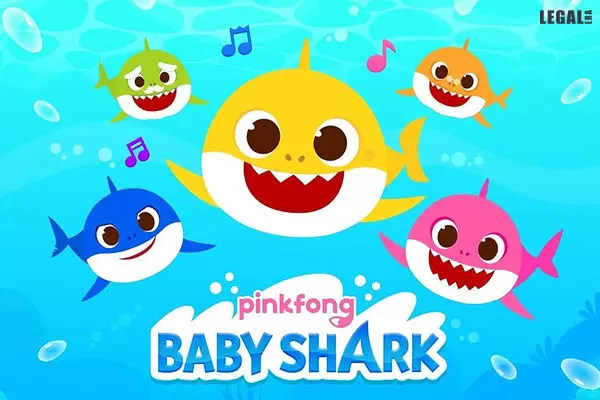
Introduction
The Supreme Court of South Korea has dismissed a copyright infringement claim from U.S. composer Jonathan Wright against The Pinkfong Company, the producer of the popular children's song "Baby Shark." The ruling concludes a six-year litigation, cementing Pinkfong's rights to its version of the song.
Factual Background
Wright released his own version of "Baby Shark" in 2011, which he initially considered free for anyone to adapt. However, when Pinkfong took legal action to protect its own copyright against a South Korean political party, Wright questioned the legal status of his own creation and sought copyright protection.
Procedural Background
The case was heard by multiple courts, with the Supreme Court ultimately upholding the findings of the lower courts. Pinkfong argued that its 2016 global hit was an independent adaptation of the same public domain source material.
Contentions and Observations
- Lack of Creative Additions: The Supreme Court ruled that Wright's version lacked sufficient creative additions to qualify as a new, derivative work, thereby falling outside the scope of copyright law.
- Independent Adaptation: Pinkfong's adaptation of "Baby Shark" was deemed an independent work, with the court recognizing the company's rights to its version of the song.
- Public Domain Source Material: The song "Baby Shark" originated from public domain material, with various adaptations and interpretations emerging over time.
Reasoning and Analysis
The Supreme Court's decision highlights the importance of creative additions and originality in determining copyright protection. Pinkfong's success with "Baby Shark" demonstrates the potential for creative works to achieve global recognition and cultural significance.
Implications
The decision confirms Pinkfong's rights to its version of "Baby Shark," solidifying the company's position as the creator of a cultural phenomenon. The decision also underscores the complexities of copyright law and the challenges of protecting creative works.



