NCLT Declares Former DHFL Chairman Kapil Wadhawan Bankrupt Over ₹4546 Crore Debt
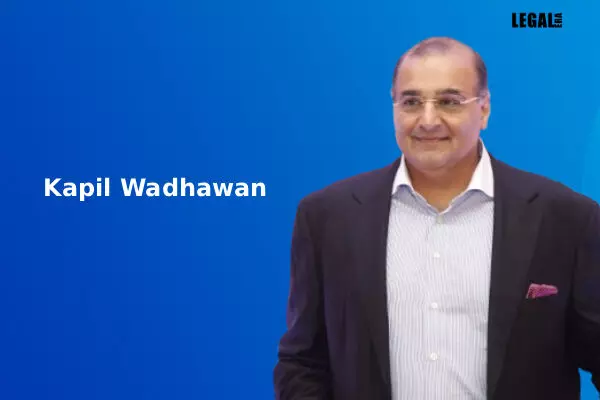
NCLT Declares Former DHFL Chairman Kapil Wadhawan Bankrupt Over ₹4546 Crore Debt
Introduction
The National Company Law Tribunal (NCLT), Mumbai Bench-III, has declared former Dewan Housing Finance Corporation Ltd (DHFL) Chairman Kapil Wadhawan bankrupt over a debt of ₹4546 crore. The petition was filed by the Union Bank of India, seeking initiation of bankruptcy proceedings under Section 123 of the Insolvency and Bankruptcy Code (IBC), 2016.
Factual Background
Kapil Wadhawan acted as the personal guarantor for DHFL, which had already undergone corporate insolvency. The Union Bank of India had extended various credit facilities to DHFL, and Wadhawan, along with another guarantor, executed a Joint Deed of Guarantee in favor of the bank for an amount not exceeding ₹50,656.86 crore.
Following default under the DHFL facility agreement, the bank issued a Guarantee Invocation Notice demanding payment of ₹3958.30 crore, followed by a demand notice in Form B. However, Wadhawan failed to repay the amount.
Procedural Background
The NCLT admitted a Section 95 IBC petition against Wadhawan and passed an order under Section 100 IBC. His appeal before the NCLAT was dismissed, and although he later appealed to the Supreme Court, no order has been passed to date. After admission of the petition, Wadhawan was required to submit a repayment plan in consultation with the Resolution Professional, but he failed to do so. Consequently, creditors unanimously agreed to initiate the bankruptcy process.
Contentions and Observations
- Union Bank of India’s Petition: The bank sought initiation of bankruptcy proceedings under Section 123 of the IBC.
- Total Debt: After adjusting recoveries, the total amount due from Wadhawan stood at ₹4545.96 crore.
- NCLT’s Decision: The tribunal admitted the petition on 14 August 2025 and appointed Mr. Sanjay Kumar Mishra as the bankruptcy trustee.
Reasoning and Analysis
The decision highlights the critical role of personal guarantees in corporate lending and underscores that guarantors can be held personally liable when the corporate debtor defaults. It reinforces the IBC’s framework as an effective tool for creditors to pursue recovery, even against high-profile guarantors.
Implications
The declaration of bankruptcy against Kapil Wadhawan has wide implications, both for him and for other personal guarantors. It paves the way for creditors to pursue recovery through the bankruptcy process and serves as a warning that failure to honor personal guarantees may lead to personal insolvency.
In this case, the applicant was represented by Mr. Animesh Bisht (Partner), Mr. Aniruddh Gambhir (Principal Associate), Mr. Pushkar Deo (Associate), and Mr. L. Viswanathan (Senior Partner).