


Punjab and Haryana High Court Finds Temporary Solution for NCLT’s Functioning
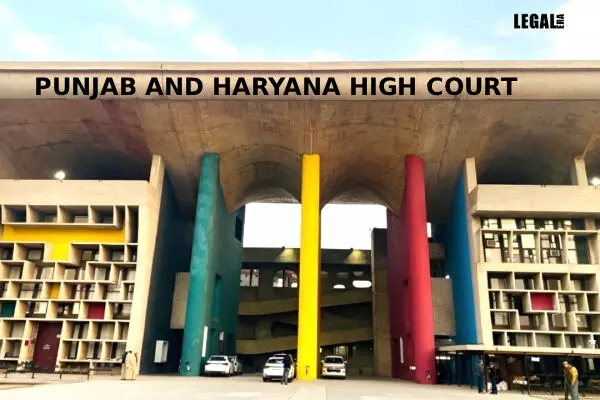
Punjab and Haryana High Court Finds Temporary Solution for NCLT’s Functioning
Introduction
The Punjab and Haryana High Court has directed the National Company Law Tribunal (NCLT), Chandigarh Bench to resume sittings from August 29 in temporary premises at Corporate Bhavan, Sector 27, pending repairs at its original site.
Factual Background
The NCLT had been forced to suspend sittings indefinitely earlier this month due to severe water seepage in its courtrooms and chambers. On August 25, 2025, a joint inspection was conducted by judicial and technical members of the NCLT, along with members of the Bar, following which consensus was reached to shift temporarily.
Procedural Background
The Court was hearing a Public Interest Litigation (PIL) filed in 2023 by the Company Law Tribunal Bar Association, Chandigarh, through its Secretary Vaibhav Sahni. Earlier, on August 19, the High Court had directed the Chandigarh administration to locate an alternative venue within three days.
The Additional Solicitor General, Satyapal Jain, informed the Court that new contractors had been appointed for repair works, expected to take around 30 days, though earlier attempts had faced resistance from locals.
Contentions and Observations
Temporary Premises: The Court directed that the first and third floors of Corporate Bhavan would be allotted to the NCLT for courtrooms, chambers, and staff facilities.
Continuity of Functioning: The Division Bench of Chief Justice Sheel Nagu and Justice Sanjiv Berry stressed that the Tribunal should begin functioning from August 29, and clarified that this arrangement is purely temporary, until the ground floor of the existing building is repaired and made functional.
The Bench requested all stakeholders—including the Bar, Tribunal staff, and members—to extend cooperation to ensure smooth functioning.
Reasoning and Analysis
The High Court’s intervention reflects a pragmatic balance between judicial continuity and infrastructure challenges. By facilitating a temporary relocation, the Court has ensured that the functioning of the Tribunal—and thereby access to justice for litigants—remains uninterrupted, while also allowing essential repair works to proceed without disruption.
Implications
- The decision ensures that the NCLT resumes work without further delay, reducing hardship to litigants.
- It also demonstrates the judiciary’s responsiveness to institutional difficulties and underscores the importance of stakeholder cooperation in sustaining the functioning of key tribunals.
Representation
In this case the petitioner was represented by Mr. Anand Chhibbar, Senior Advocate and Mr. Shikhar Sarin, Advocate. Meanwhile the respondent was represented by Mr. Jaivir Chandail, Advocate.