


SEBI chairman TK Pandey directs banks to enforce stern internal rules on insider trading
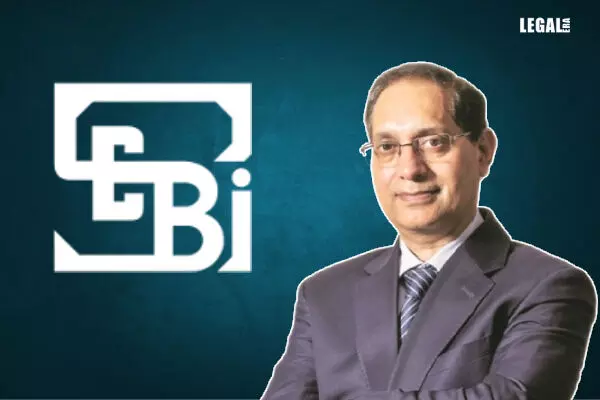
SEBI chairman TK Pandey directs banks to enforce stern internal rules on insider trading
The directions come in the wake of the probe against IndusInd Bank
The Securities and Exchange Board of India (SEBI) has demanded greater internal controls and strict confidentiality of price-sensitive information by listed banks to prevent insider trading.
SEBI Chairman, Tuhin Kanta Pandey, addressed the managing directors and other key officials of listed banks in a session on Prohibition of Insider Trading (PIT) Regulations.
He added that if an employee did not require the information for legitimate purposes, he should not have access to it. And even informal sharing of information in casual meetings must be treated as a serious breach.
Emphasising the dual responsibility for information related to their own bank and concerning other corporates, Pandey said, “Weak controls are considered the prime reason for the frauds.”
As banks sanction major loans, they are part of debt restructuring negotiations, repayment settlements, and participate in the committee of creditors proceedings for stressed assets. They have access to price-sensitive information on other listed companies, which could impact the stock prices.
The SEBI chief directed, “Your role as managing directors is not limited to overseeing your bank’s compliance. It extends to ensuring that information about other companies, which you hold as fiduciaries, is protected with the same rigour and confidentiality as your own organisation’s sensitive data.”
He added that every piece of unpublished price-sensitive information (UPSI) should be accounted for, every disclosure must be timely and accurate, and employees must have codes of conduct and written policies.
The chairman’s comments were timed, as SEBI is probing the alleged insider trading and delayed disclosures in the IndusInd Bank case.
Pandey furthered by warranting strict access protocols, information walls, and secure digital systems. “In today’s hyper-connected world, a single leak can travel across digital networks in seconds and there is no way to undo the damage to stock prices, to investor confidence, or to your bank’s reputation.”
He went on, “When a regulatory authority comes knocking, your ability to instantly and comprehensively demonstrate who knew what, and when, will be your greatest defence.”
He stated that SEBI had zero tolerance for Structured Digital Database (SDD) non-compliance. SDD is a tool to share UPSI by listed entities.
The market regulator also held separate sessions with the banks’ compliance officers about their roles and best practices for preventing insider trading.



