
- Home
- News
- Articles+
- Aerospace
- Artificial Intelligence
- Agriculture
- Alternate Dispute Resolution
- Arbitration & Mediation
- Banking and Finance
- Bankruptcy
- Book Review
- Bribery & Corruption
- Commercial Litigation
- Competition Law
- Conference Reports
- Consumer Products
- Contract
- Corporate Governance
- Corporate Law
- Covid-19
- Cryptocurrency
- Cybersecurity
- Data Protection
- Defence
- Digital Economy
- E-commerce
- Employment Law
- Energy and Natural Resources
- Entertainment and Sports Law
- Environmental Law
- Environmental, Social, and Governance
- Foreign Direct Investment
- Food and Beverage
- Gaming
- Health Care
- IBC Diaries
- In Focus
- Inclusion & Diversity
- Insurance Law
- Intellectual Property
- International Law
- IP & Tech Era
- Know the Law
- Labour Laws
- Law & Policy and Regulation
- Litigation
- Litigation Funding
- Manufacturing
- Mergers & Acquisitions
- NFTs
- Privacy
- Private Equity
- Project Finance
- Real Estate
- Risk and Compliance
- Student Corner
- Take On Board
- Tax
- Technology Media and Telecom
- Tributes
- Viewpoint
- Zoom In
- Law Firms
- In-House
- Rankings
- E-Magazine
- Legal Era TV
- Events
- Middle East
- Africa
- News
- Articles
- Aerospace
- Artificial Intelligence
- Agriculture
- Alternate Dispute Resolution
- Arbitration & Mediation
- Banking and Finance
- Bankruptcy
- Book Review
- Bribery & Corruption
- Commercial Litigation
- Competition Law
- Conference Reports
- Consumer Products
- Contract
- Corporate Governance
- Corporate Law
- Covid-19
- Cryptocurrency
- Cybersecurity
- Data Protection
- Defence
- Digital Economy
- E-commerce
- Employment Law
- Energy and Natural Resources
- Entertainment and Sports Law
- Environmental Law
- Environmental, Social, and Governance
- Foreign Direct Investment
- Food and Beverage
- Gaming
- Health Care
- IBC Diaries
- In Focus
- Inclusion & Diversity
- Insurance Law
- Intellectual Property
- International Law
- IP & Tech Era
- Know the Law
- Labour Laws
- Law & Policy and Regulation
- Litigation
- Litigation Funding
- Manufacturing
- Mergers & Acquisitions
- NFTs
- Privacy
- Private Equity
- Project Finance
- Real Estate
- Risk and Compliance
- Student Corner
- Take On Board
- Tax
- Technology Media and Telecom
- Tributes
- Viewpoint
- Zoom In
- Law Firms
- In-House
- Rankings
- E-Magazine
- Legal Era TV
- Events
- Middle East
- Africa
RBI Gives Nod To Worldline ePayments India To Operate As Payment Aggregator
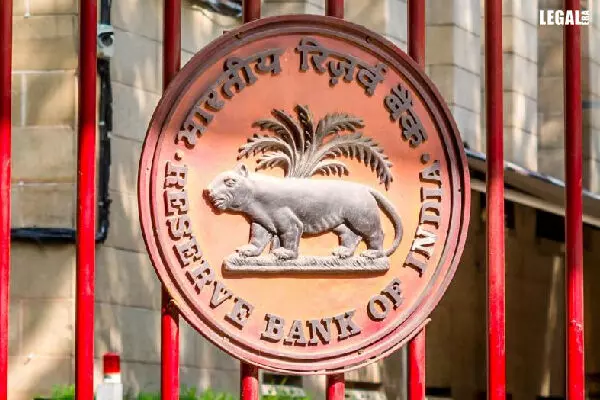
It had approved multiple online Payment Gateway Companies last year
Global payment services leader Worldline ePayments India has announced that the Reserve Bank of India (RBI) has authorized it to operate as an online payment aggregator under the Payment and Settlement Systems Act, 2007.
In 2022, the company received an in-principal authorization from the market regulator to act as a payment aggregator (PA).
In a statement, Ramesh Narasimhan the India CEO of Worldline stated, "We've been in the Indian market for over two decades and have built a leadership position. We work with merchants from various segments such as eCommerce, BFSI, retail, utilities, education, travel and hospitality for digital payments.”
He added, “The authorization from RBI is a testimony of our commitment to the Indian market and affirms our focus on compliance and highlighting the significance of a well-regulated payments landscape.”
Worldline ePayments India offers solutions for all kinds of payment needs offering in-store, online, and omnichannel payments to its customers.
By the end of 2023, the RBI had approved multiple online payment gateway companies to be PAs including DigiO, PayU, CRED, CC Avenue, Mswipe, Razorpay, Cashfree, Decentro, Zoho, Tata Pay, Google Pay, and EnKash.